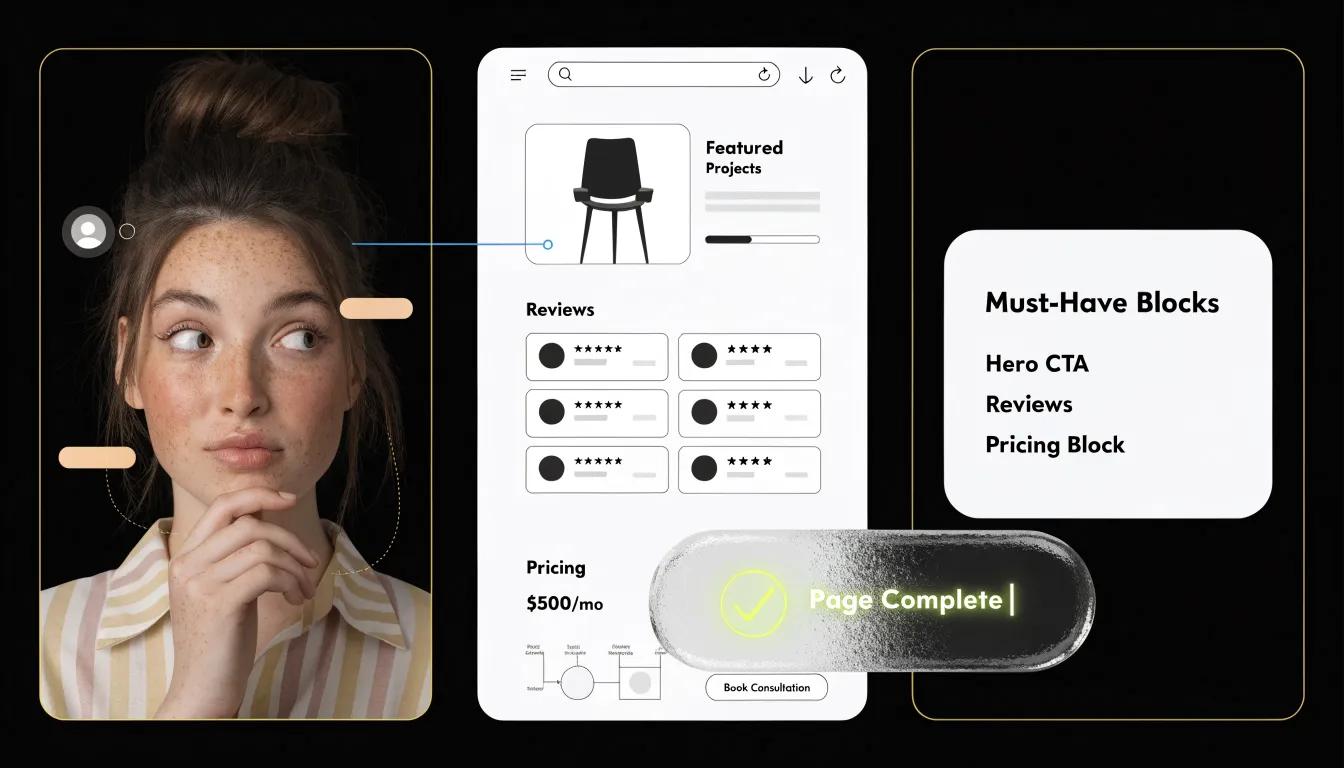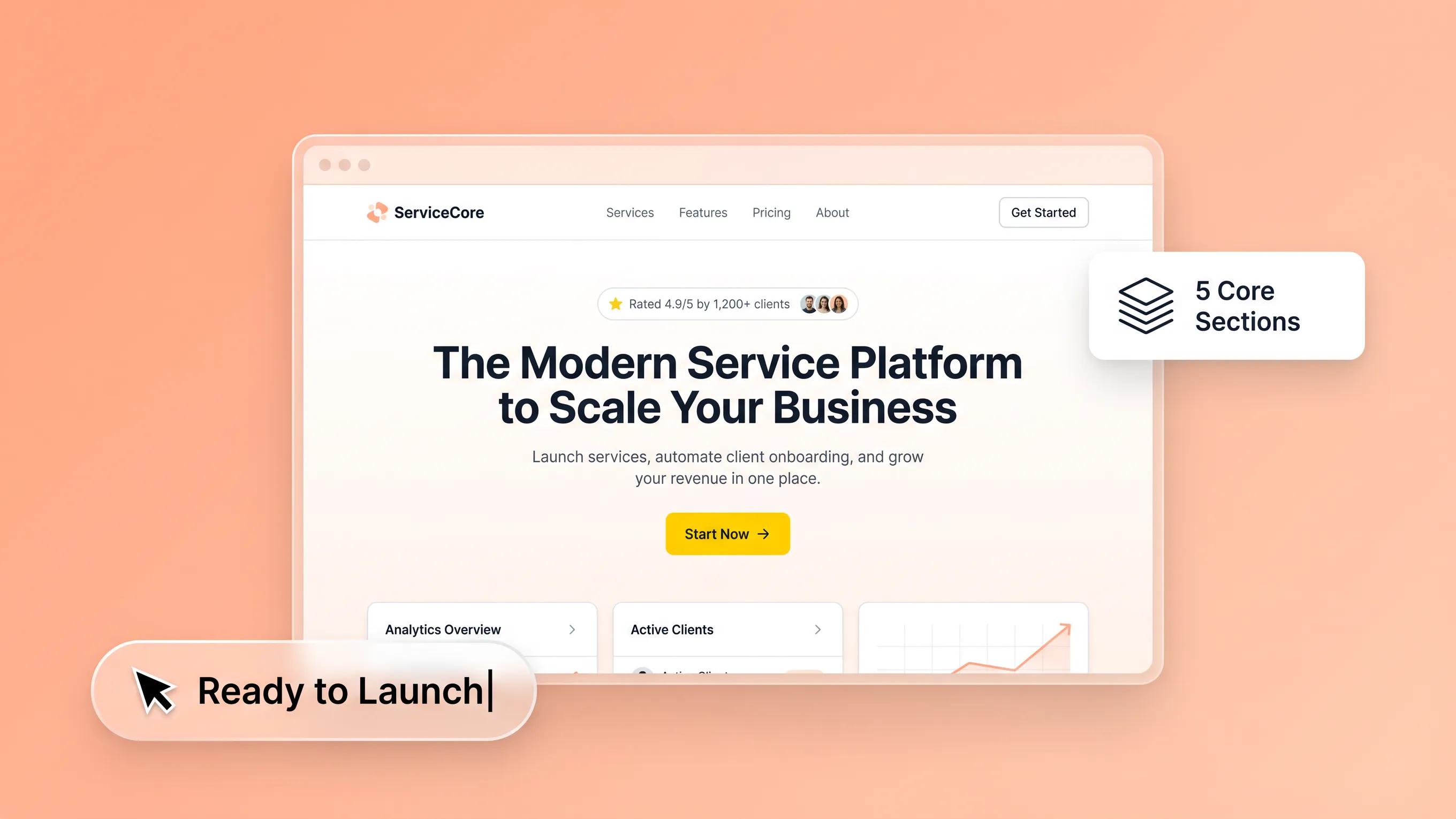
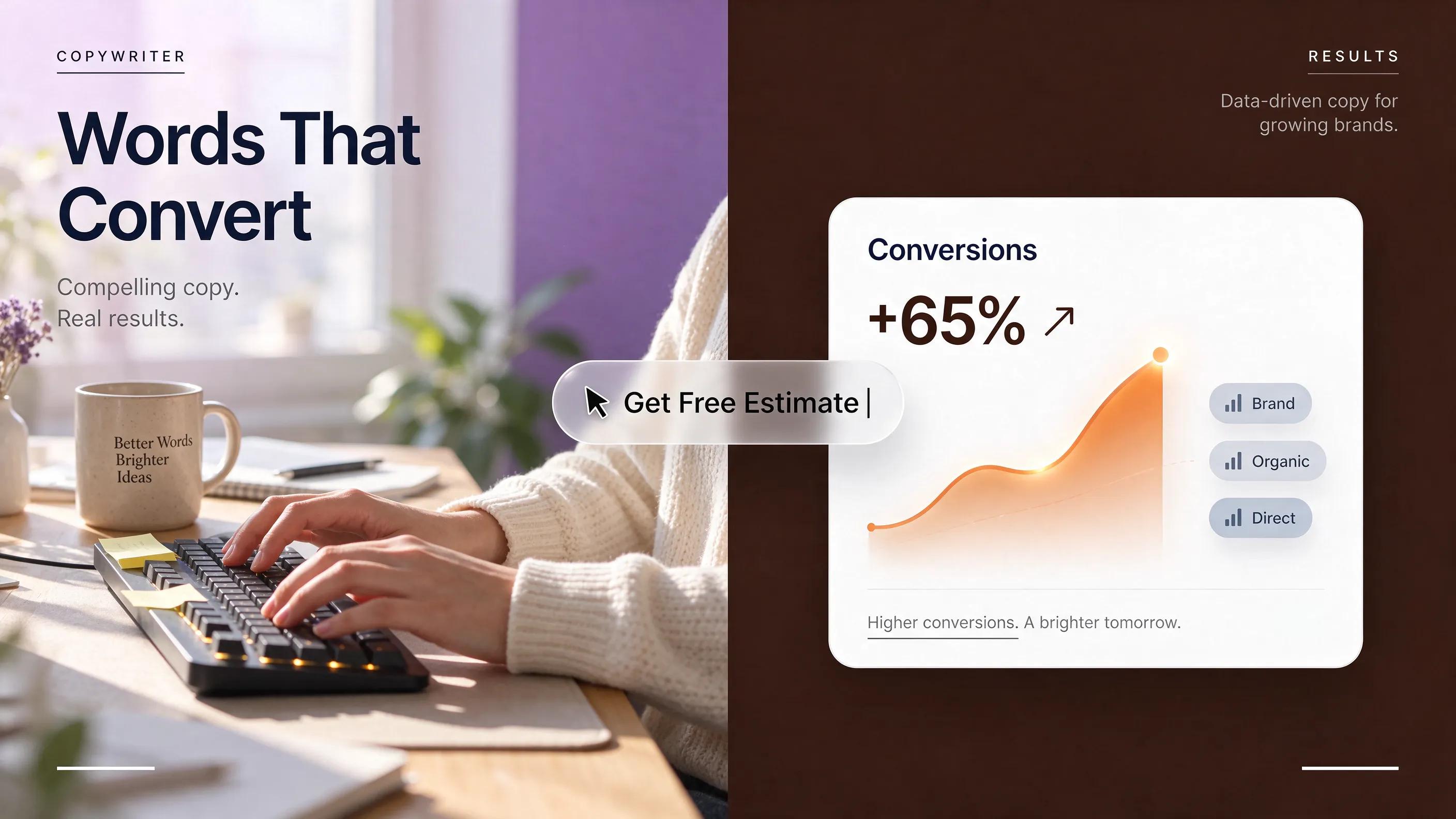

Open a service page that starts with ten years of company history, vague slogans, and a wall of features—and watch a buyer who only wanted to know what gets done, how much it costs, and whether you handle their exact problem hit the back button in seconds.
"I know my service inside and out, so why do I struggle to write a page that makes customers actually reach out?"
Here is the plain truth:
Knowing how to do the work is completely different from explaining it in a way a stranger trusts right away. When your words focus on internal company pride instead of buyer questions, use fuzzy headlines, or hide pricing and scope behind generic claims, visitors hesitate and move on. Today we are walking through how to write a service page that converts—so you will discover practical service page copywriting, clear service page content, and smart service page optimization that answer real customer needs without fluff.
Writing a service page that genuinely earns trust matters because visitors decide quickly whether your words speak to their situation. Using words that resonate with your specific audience—whether vivid, reassuring, or practical depending on your industry—helps people stay engaged and understand what happens next. Drafting strong service copy from scratch takes real time and research, especially when you are building pages on your own, and BoltWeb with AI Foundry inside BoltWeb helps you create a page from the sidebar, enter your service and a short note about what it covers, and generate clean, compelling copy in minutes so you can review, update, and publish right away.
Let's examine how each part of a strong service page works together.
1. Understand What a Potential Customer Wants Before Writing Your Service Page
A business owner often wants to talk about how the company started, what tools sit in the shop, or why the team cares deeply—whereas a visitor arrives wondering whether this exact service solves their immediate problem, how soon it can happen, what alternatives exist, and what might go wrong. Before writing a single section, pull real questions from past enquiries, phone calls, customer reviews, and common objections so your page answers what buyers look for first.
Try this quick exercise before drafting: write down five real questions customers asked last month, note what outcome they wanted most, and lead with that answer before mentioning company background. Grounding service page copywriting and service page content in real customer pain points keeps every section relevant from the top.
2. Write a Service Page Headline That Makes Your Offer Immediately Clear
A headline like "Excellence You Can Trust" or "Quality Solutions for Modern Needs" could belong to almost any company on earth and tells a visitor nothing about what you actually deliver. A clear headline names the service, who it helps, the problem it addresses, or the practical result—paired with a concise subheading when extra context helps visitors see fit right away.
Strong service page headline writing shows visitors how how to write a service page starts with clarity rather than empty slogans, making service page copy immediately useful.
3. Describe the Problem Your Service Helps Customers Solve
Visitors recognize themselves faster when you describe the everyday situation that brought them looking for help—using natural words they actually use—without exaggerating worst-case scenarios, manufacturing fear, or assuming every visitor has the exact same problem. A short, grounded problem statement shows empathy and relevance before you present your service as a practical option.
Speaking directly to service page content and customer pain points through grounded service page copywriting builds trust without pressure.
4. Explain Exactly What Your Service Includes and How It Works
Unclear scope makes buyers hesitate even when they like your offer. Spell out the deliverables, step-by-step stages, materials or consultations involved, rough timing expectations, what is included versus extra, and what you need from the customer—whether you run cleaning, consulting, or home repair.
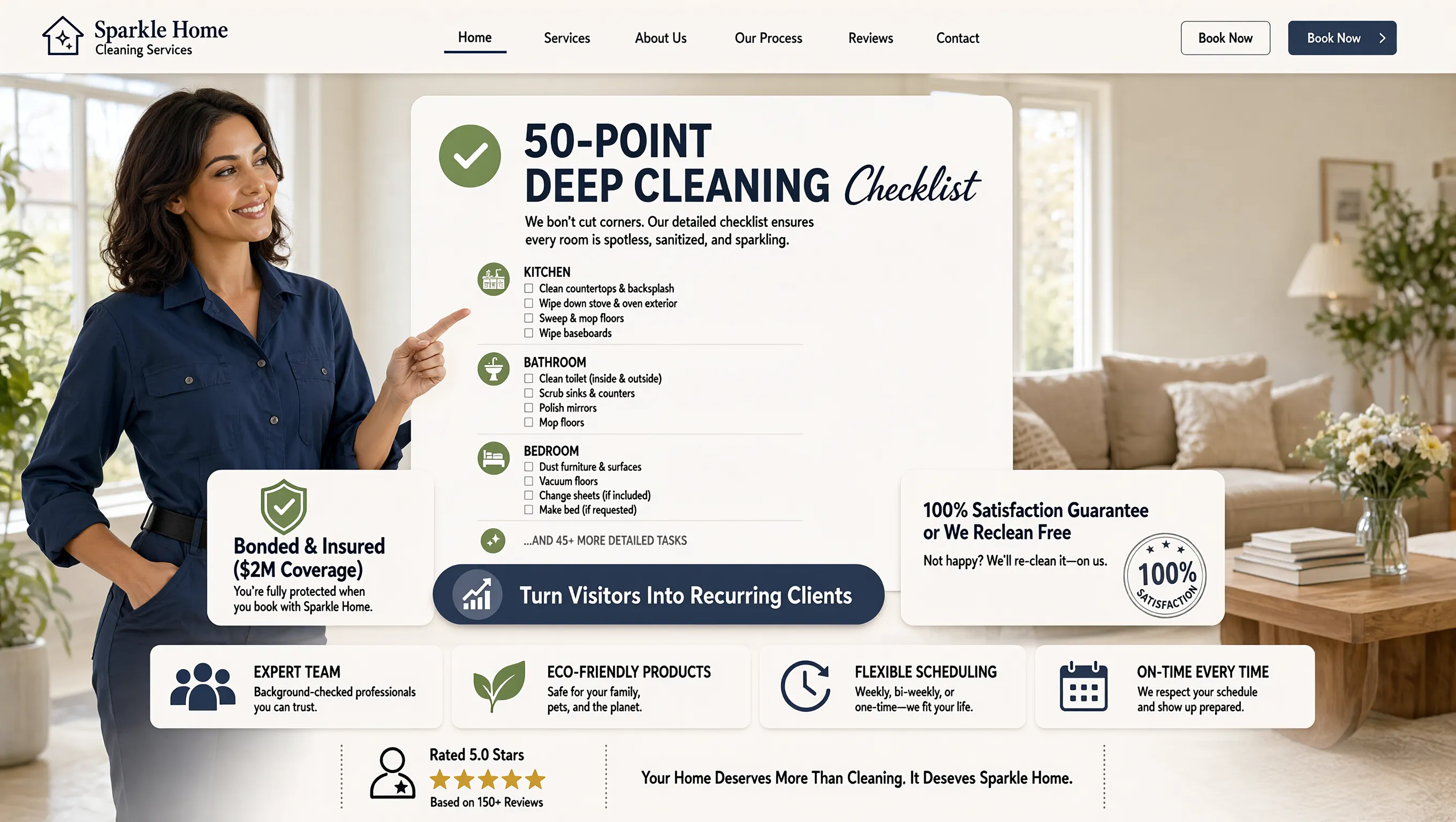
Explore a Service Page Example
Get your home thoroughly cleaned without giving up your weekend.
The problem
Dust, kitchen mess, and bathrooms that need more attention can make keeping up with household cleaning difficult.
What this service includes
Choose regular home cleaning or a deeper clean based on your property's needs.
- Kitchen and bathroom cleaning
- Floor and surface cleaning
- Cleaning based on your selected package
Why it matters
Spend less time catching up on household cleaning and more time on the things you need to do.
Evidence to include
See genuine cleaning projects and customer feedback.
Illustrative copy structure. Replace all claims and examples with details that accurately describe the actual business.
| Page Element | Weak Version | More Useful Version |
|---|---|---|
| Headline | Professional Cleaning Services | Deep Cleaning for Homes That Need More Than a Quick Tidy |
| Introduction | We offer the best cleaning services at affordable prices. | Book a detailed home clean covering kitchens, bathrooms, floors, and other areas that need attention. |
| Service details | We clean everything. | Choose a package covering the rooms and cleaning tasks included in your selected service. |
| Benefit | We provide quality work. | Know which areas will be cleaned before your appointment begins. |
| Trust | We are the best in the industry. | View completed cleaning projects and genuine customer feedback. |
| CTA | Submit | Request a Cleaning Quote |
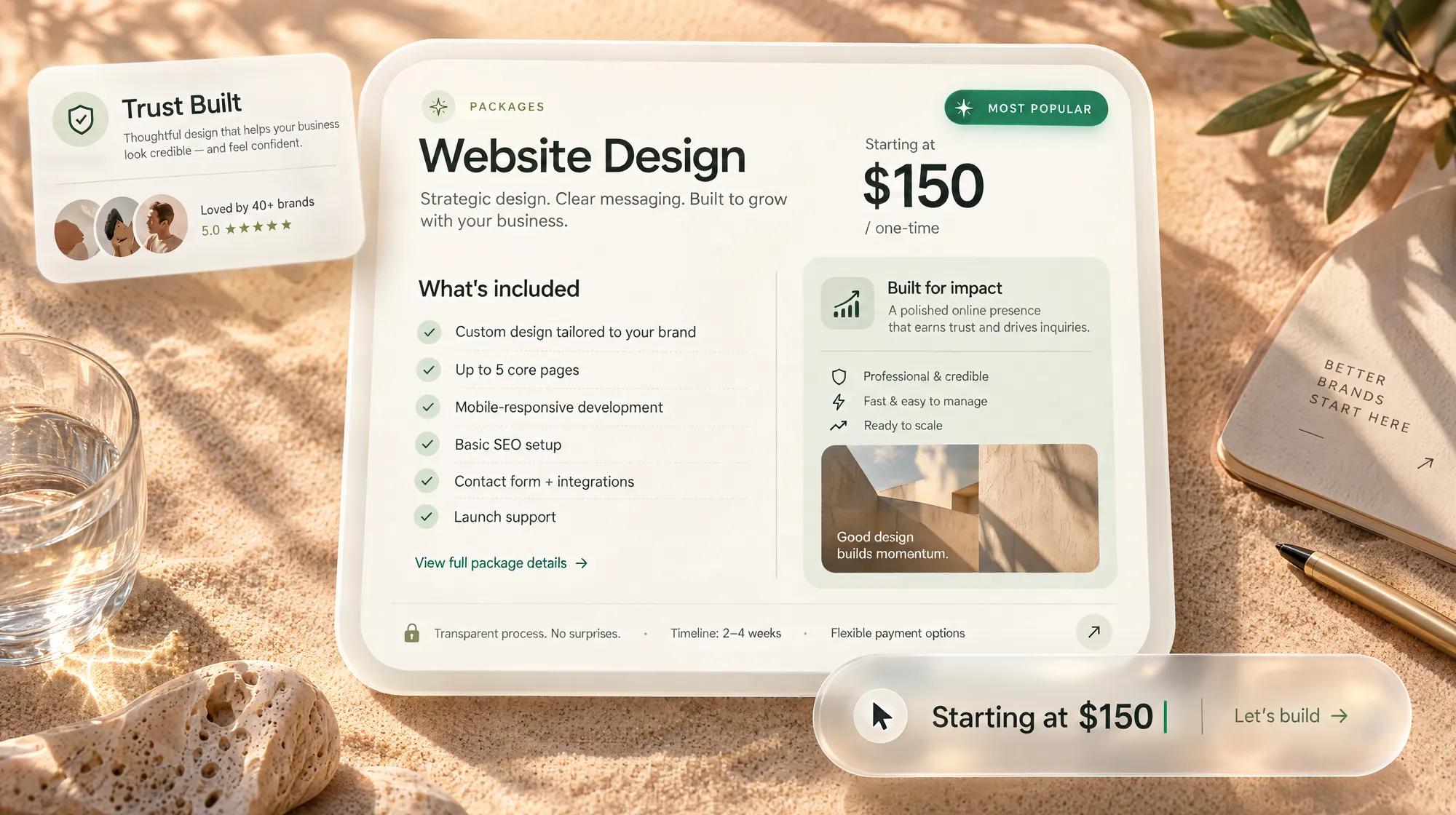
Note: whether you preview a home cleaning, website design, or home renovation scenario, keep the structure focused on real scope, clear expectations, and honest next steps.
A clear service description, helpful service page content, and specific service page copy replace guesswork with clarity.
5. Show the Benefits Customers Get Instead of Listing Features Alone
Listing tasks or specs tells a visitor what happens on paper, whereas explaining the practical benefit shows how that work improves their day, saves time, or reduces stress—always tied to what you genuinely deliver without promising guaranteed outcomes outside your control.
| Service Feature | Customer-Focused Benefit |
|---|---|
| Weekly cleaning visits | Keep household cleaning manageable throughout the week. |
| Written project estimates | Understand the proposed work and expected costs before proceeding. |
| Online consultation booking | Choose an available time without having to coordinate by phone. |
| Progress updates | Know how the project is progressing. |
| Custom service packages | Choose an option that matches your actual requirements. |
Every benefit should follow naturally from what your business genuinely provides, without overpromising results no provider can guarantee.
Highlighting real service benefits through thoughtful service page copywriting turns service page content into reasons a customer can act on (and pairs well with how to organize services on your website).
Build High-Converting Service Pages Faster With BoltWeb
Turn Your Service Details Into Clear, Persuasive Pages Without Manual Friction
Do not let blank screens, slow copywriting, or scattered layouts delay a service page that speaks directly to ready buyers. Use BoltWeb and AI Foundry inside BoltWeb to create your page, describe what your service covers, generate clear copy quickly, and fine-tune every detail before going live.
Get Started On Your Journey →6. Explain What Makes Your Service Worth Choosing
Saying you offer "best quality" or "top service" without proof blends into every competitor's page. Give visitors concrete reasons to consider your business—such as specialized experience, relevant qualifications, how you communicate and respond, materials or methods used, genuine guarantees where applicable, tailored options, or local knowledge—explained plainly.
Strong service page trust signals, grounded service page copywriting, and specific service page content give buyers real substance to weigh.
7. Use Customer Reviews, Project Examples, and Results to Support Your Claims
Proof carries the most weight right next to the claim it supports—not tucked away in an unrelated pile at the bottom of the page. Pair relevant customer feedback, project photos, before-and-after examples, case notes, or credentials with the exact service detail a visitor might doubt, always with proper permission and accurate representation.
Placing service page examples and service page trust signals thoughtfully within service page content makes claims easier to believe (see Google Search Central: Creating Helpful, Reliable, People-First Content).
8. Answer Pricing Questions Before Visitors Decide Not to Enquire
Silence around cost often makes visitors assume a service is overpriced or that getting a straight answer takes too much effort. When exact pricing varies by scope, explain what drives the cost, share starting rates, ranges, packages, hourly rates, or consultation fees where helpful, and tell visitors clearly how an estimate is prepared and what happens after they ask.
Clear service page pricing, honest service page content, and practical service page optimization help visitors judge fit before they reach out.
9. Address the Questions and Objections That Stop Customers from Buying
Even interested visitors hold back over practical worries—like timelines, availability, qualifications, service coverage, preparation steps, disruption, guarantees, payment terms, cancellation rules, or what happens if expectations fall short. Answer the questions that genuinely apply to your offer right beside the relevant detail on the page rather than relying solely on a bulky, generic FAQ block.
| Mistake | Why It Weakens the Page | Better Approach |
|---|---|---|
| Writing about the company before explaining the service | Visitors still don't know whether the offer suits them | Explain the service and customer need first |
| Using vague headlines | The offer is difficult to understand | Name the service and its specific value |
| Listing features without explaining their relevance | Visitors cannot see why the details matter | Connect features to practical customer benefits |
| Making unsupported claims | Visitors have no reason to believe them | Support claims with genuine evidence |
| Hiding pricing information | Visitors cannot judge whether the service is within their budget | Explain rates or how quotations are prepared |
| Adding too many CTAs | Visitors may not know which action to take | Choose one primary action appropriate to the service |
| Writing long blocks of text | Important details become harder to scan | Use descriptive headings, short paragraphs, and useful lists |
| Using the same copy for every service | Different services have different customer needs | Write page content around each service's actual offer |
Resolving real doubts inside service page copywriting, service page content, and service page optimization removes friction right where decisions happen.
10. Write a Call to Action That Gives Visitors a Clear Next Step
A generic button like "Submit" leaves visitors guessing what happens after they click. Match your call to action to the service and commitment level—such as requesting a quote, calling, booking an initial consultation, or checking availability—and explain briefly what follows so there are no surprises.
Focused service page CTA copy strengthens service enquiry conversion and supports service page optimization (and pairs naturally with our guide to design mobile-friendly website buttons).
11. Structure Your Service Page So Visitors Can Find Important Information Easily
Good copy loses impact when sections are stacked in a confusing order or buried in walls of text. A natural sequence—clear headline, relatable problem, what the service includes and how it works, customer benefits, supporting proof, pricing guidance, key objections, and a clear next step—supported by descriptive headings, short paragraphs, lists, visuals, internal links, mobile layout checks, and relevant CTAs lets visitors read like they are having a clear conversation.
| Service Page Content Template (Fill-In Prompts) | Prompt |
|---|---|
| Service | What exactly do you offer? |
| Customer | Who is this service for? |
| Problem | What situation makes someone need it? |
| Offer | What work or deliverables are included? |
| Benefits | What practical value does the customer receive? |
| Difference | What can you genuinely explain about your approach? |
| Proof | What project, review, credential, or example supports your claims? |
| Pricing | What should customers know about the cost? |
| Questions | What might make someone hesitate? |
| Next step | Should they call, request a quote, or book? |
Thoughtful service page structure, clean service page design, and service page optimization make scanning effortless on both desktop and mobile (see Google Search Central: SEO Starter Guide — Organize Your Site and our guide to improve website readability).
12. Review and Improve Your Service Page Before Publishing It
Before publishing, strip out vague claims, missing details, and filler copy first—then check offer clarity, headline fit, scope completeness, supporting proof, pricing transparency, CTA visibility, mobile readability, working forms, and page performance. Once live, use real enquiries, analytics, and visitor feedback to spot where people drop off or ask repeated questions so you can refine the page over time.
When you create and update pages in BoltWeb and AI Foundry, publishing and updating drafts is straightforward while your own review of clarity, accuracy, and real visitor behavior keeps every page honest and effective.
Using a steady service page optimization habit alongside service page copywriting and service page content turns first drafts into pages that keep improving (and connects cleanly with a focused internal linking strategy for small business).
Turn Service Page Words Into Real Customer Enquiries
Imagine a busy buyer opening your service page on their phone tonight, seeing their exact problem addressed in plain words, checking clear scope and pricing without hunting, and sending an enquiry with full confidence.
Get Started On Your Journey →FAQs: Write a Service Page That Converts
1. I know my service well, yet I struggle to write a page that makes visitors actually reach out—where should I start?
Visitors arrive looking for what their problem costs in time and effort to fix, not a long story about how your business started or what gear sits in your office. Pulling real questions from past enquiries, customer calls, reviews, and common objections before you write lets you lead with what buyers care about first.
Grounding service page copywriting and service page content in real customer pain points sets the right foundation before you draft a single line.
2. How do I write a service page headline that makes my offer clear without sounding like a generic slogan?
Phrases like "Excellence You Can Trust" or "Quality Solutions for Modern Needs" sound interchangeable and tell a visitor nothing about what you actually do. A clear headline names the service, who it helps, the problem it addresses, or the practical result—paired with a short subheading when extra context helps visitors see fit right away.
Strong service page headline writing shows visitors how how to write a service page begins with clear value, making service page copy unmistakable at first glance.
3. How can I describe a visitor's problem so they feel understood without sounding pushy or alarmist?
People connect faster when you describe the everyday situation that brought them looking for help—using ordinary language they recognize—without exaggerating consequences, stoking fear, or assuming every visitor faces the exact same issue. A short, accurate description of the situation builds empathy before you introduce your service as a practical option.
Speaking directly to service page content and customer pain points through grounded service page copywriting keeps the tone honest and helpful.
4. How do I explain what is included and how the work happens so buyers know what they are paying for?
Vague scope makes visitors hesitate even when they like your offer—so spell out the deliverables, stages, materials or consultations involved, rough timing expectations, what is included versus extra, and what you need from the customer. Whether you handle cleaning, consulting, or home repair, clear boundaries replace uncertainty with practical confidence.
A clear service description, helpful service page content, and specific service page copy show customers exactly what happens when they hire you.
5. Why do visitors sometimes skim past what I do—and how do I turn features into real benefits?
Listing tasks or technical specs tells a reader what happens on paper, while explaining the benefit shows how that work improves their day, saves time, or reduces stress—always tied to what you genuinely deliver without promising guaranteed outcomes outside your control. For example, weekly visits become a calmer, more manageable routine when tied to real service execution.
Highlighting genuine service benefits through thoughtful service page copywriting turns service page content into clear reasons to take action (and pairs naturally with how to organize services on your website).
6. Why should a customer choose my business over another provider offering the same service?
Saying you offer "best quality" without backing it up blends into every competitor's page. Give visitors concrete reasons to consider you—such as specialized experience, relevant qualifications, how quickly or clearly you communicate, materials or methods used, genuine guarantees where applicable, tailored scope, or local familiarity—explained plainly.
Strong service page trust signals, grounded service page copywriting, and specific service page content give visitors real substance to weigh.
7. Where should I place reviews, project examples, and proof so visitors actually believe my claims?
Evidence works best right next to the claim it supports rather than gathered in a disconnected pile at the bottom of the page. Pair relevant customer feedback, project photos, before-and-after examples, case notes, or credentials with the specific detail a buyer might question, always with proper permission and accurate representation.
Placing service page examples and service page trust signals thoughtfully within service page content reinforces credibility right where doubts arise (see Google Search Central: Creating Helpful, Reliable, People-First Content).
8. If every project is different and I cannot show one fixed price, will visitors leave without asking for a quote?
Leaving pricing completely unexplained often makes visitors wonder whether rates are high or getting an answer takes too much effort. When prices vary by scope, explain what affects the cost, share starting rates, packages, ranges, hourly rates, or consultation fees where helpful, and tell visitors clearly how quotes are prepared and what happens next.
Transparent service page pricing, honest service page content, and practical service page optimization help visitors judge fit before reaching out.
9. How do I answer common doubts about timelines, availability, cancellations, or guarantees without creating a cluttered page?
Interested visitors often hold back over practical details like timelines, availability, preparation, disruption, payment terms, cancellations, service limits, or warranties. Answer the questions that genuinely apply to that service right beside the related section instead of forcing readers to hunt through a massive, generic FAQ block.
Resolving real doubts inside service page copywriting, service page content, and service page optimization removes friction right before a visitor decides to enquire.
10. What should my call-to-action button say so visitors know what happens when they click?
A plain "Submit" button leaves visitors guessing what comes next. Match your call to action to the service and commitment level—such as requesting a quote, calling, booking an initial consultation, or checking availability—and explain briefly what follows so there are no surprises.
Focused service page CTA copy strengthens service enquiry conversion and supports service page optimization (and pairs smoothly with our guide to design mobile-friendly website buttons).
11. Once I have all the pieces written, how should I order them so people actually read from top to bottom?
Strong copy still loses attention when sections jump around or sit in long, unbroken blocks. Moving naturally from a clear headline and relatable problem to what is included, how it works, customer benefits, supporting proof, pricing guidance, key objections, and a clear next step—backed by descriptive headings, short paragraphs, lists, visuals, internal links, mobile checks, and relevant CTAs—makes the page read like a helpful conversation.
Thoughtful service page structure, clean service page design, and service page optimization make scanning effortless across screens (see Google Search Central: SEO Starter Guide — Organize Your Site and our guide to improve website readability).
12. How can I draft service pages faster in BoltWeb, review what needs fixing first, and keep improving after launch?
When you want to spin up a page, describe your service and what it covers, and get structured copy quickly without starting from a blank screen, BoltWeb and AI Foundry inside BoltWeb help you draft and update pages smoothly—while cutting vague claims, missing scope details, and filler first, checking mobile readability and working forms before publishing, and using real enquiries, analytics, and feedback afterward shows you exactly what to refine next.
Steady service page optimization paired with service page copywriting and service page content helps every page grow stronger over time (and links naturally with a focused internal linking strategy for small business).