
You open a website builder, pick a sleek template, and start dragging text blocks around.
Two hours later, you are staring at a half-finished layout. You don’t know what to write for the headline. You aren't sure which pages you actually need. Worst of all, you realize you haven't written down a single word of copy or collected a single high-quality photo.
Here's the problem:
Building a site without a map leads straight to wasted hours, misaligned pages, and an offer that confuses your visitors.
Before you touch a single line of code or pick a color scheme, you need a clear blueprint. Here is how to plan a high-converting website step-by-step so you launch faster, avoid costly revisions, and convert visitors into paying clients from day one.
Start With One Question: What Should Your Website Do?
Before deciding how your site should look, you must decide what job it exists to perform.

Think about it like this:
Every high-performing website has a single Job to Be Done (JTBD). When you know your primary business goal, every design choice becomes effortless.
What is your core objective?
- Generate Inquiries: Get local clients to fill out a contact form or request a quote.
- Sell Products Directly: Process orders and handle payments online.
- Build Authority: Share articles, showcase a portfolio, and collect email subscribers.
- Book Appointments: Get visitors to reserve a time slot on your calendar.
Here is the key:
Pick one primary goal. If your site tries to do everything at once, your visitors will end up doing nothing at all.
Decide Who Your Website Is For
Your site is not an autobiography—it is a sales asset for your ideal client. If you design for everyone, you connect with no one.
To craft messaging that hits home, map out your target audience's immediate struggle:
[ Ideal Customer ] ──► [ Core Frustration ] ──► [ Desired Outcome ]
Local Business Owner Losing hours on tech Automated, hands-free client setup
Ask yourself three core questions:
- What exact problem is my visitor trying to solve right now?
- What doubts or objections keep them from taking action?
- What exact words do they use when describing their frustration?
When your copy mirrors their exact Voice of Customer (VoC), readers instantly feel understood—and that trust translates straight into conversion.
Decide What You Want to Sell, Show, or Offer
Now that you know your goal and your audience, list what your visitors actually need to see before they feel comfortable buying from you.
The secret?
Keep your offer crystal clear:
- The Core Problem You Solve: Name their pain in the first headline.
- Your Primary Offer: List your service packages, core products, or solution clearly.
- Proof of Results: Gather client testimonials, real before-and-after photos, or case studies.
- Risk Removers: Mention money-back guarantees, clear pricing, or direct response times.
Plan the Pages Your Website Actually Needs
A common mistake is creating bloated sites with dozens of empty subpages.
Applying Hick's Law—reducing options to eliminate mental fatigue—proves that fewer, more intentional pages lead to higher conversion rates.
Look at the breakdown:
[ HOMEPAGE ]
[ Services Page ]
[ About Us Page ]
[ Contact / Booking ]
| Page | Primary Purpose | Key Elements |
|---|---|---|
| Homepage | Hook visitors & direct traffic | Bold headline, social proof, main Call to Action (CTA) |
| Services / Products | Explain your exact offer | Pricing tiers, feature breakdowns, clear value benefits |
| About Us | Build human trust & authority | Your story, values, team photos, certifications |
| Contact / Lead Page | Capture client details | Simple input form, phone number, physical location |
Plan the Homepage Before You Design It
Your homepage does 80% of the heavy lifting. When a prospect arrives, they evaluate your page in under five seconds.
Follow this top-to-bottom layout framework to keep visitors moving smoothly down the page (Sugarman's Slippery Slope):

- Header Section: A strong headline stating what you do, a subheadline explaining who it’s for, and a visible primary action button.
- Social Proof Banner: Logos, client reviews, or media mentions to build instant credibility.
- Core Benefit Breakdown: 3 to 4 clear cards highlighting the exact transformation you deliver.
- The Offer Summary: A clean breakdown of your main service or product.
- Final Call to Action: A dedicated closing block encouraging the user to take the next step.
Plan the Path You Want Visitors to Take
Don’t leave your visitor’s next step to chance. Map out their exact navigation path:
[ Hero Headline ] ──► [ Value Benefits ] ──► [ Social Proof ] ──► [ Submit Contact Form ]
Want to know the best part?
Every section should lead naturally to a single, bold Call to Action (CTA) button—such as "Book Your Free Consultation" or "Get Started Today." Avoid placing competing buttons side-by-side; give readers one clear direction.
Gather Your Images, Copy, and Assets Early
The fastest way to stall a website launch is searching for photos and writing text while trying to build pages.
Here is what you need ready:
- ☐ Written Copy: Headlines, service descriptions, and about text saved in a simple document.
- ☐ Visual Assets: High-resolution product photos, headshots, and your official logo files.
- ☐ Social Proof: Written client reviews, star ratings, and video testimonials.
- ☐ Business Info: NAP (Name, Address, Phone number), business hours, and social links.
Choose a Website Style That Fits Your Business
Visual hierarchy matters. Your visual style should reflect your industry while ensuring high contrast and legibility (Gestalt Principles):
- Color Palette: Choose 1 dominant color, 1 neutral background color, and 1 high-contrast accent color reserved exclusively for buttons and action steps.
- Typography: Pair one clean header font with a highly readable body font.
- Layout Structure: Keep ample white space around text blocks so your content feels effortless to scan.
Choose the Right Builder to Execute Your Plan
Once your strategy, page structure, and content are ready, picking the right platform comes down to execution speed and long-term convenience.
Traditional drag-and-drop tools often force you back to square one—spending days tweaking misaligned boxes, setting up manual SEO metadata, and wrestling with mobile views.
If you want to move from strategy to a live URL without technical friction, an intelligent AI website builder like BoltWeb turns your plan into a fully built site in minutes.
Turn Your Website Plan Into a Live Website
Planning is the single most critical phase of your marketing roadmap—it gathers every asset, message, and goal into one clear structure.
When you plug your completed plan into BoltWeb's instant site creator, the platform handles the tedious technical work for you:
- Speed Up Your Workflow: Transform your raw content into a polished, professional site structure in under 5 minutes.
- Built-In SEO Optimization: Every page generated by BoltWeb automatically integrates clean code structures, fast page-load speeds, and search-optimized tags out of the box.
- Complete Offer Integration: Showcase all your services, pricing packages, and visual assets without missing a detail.
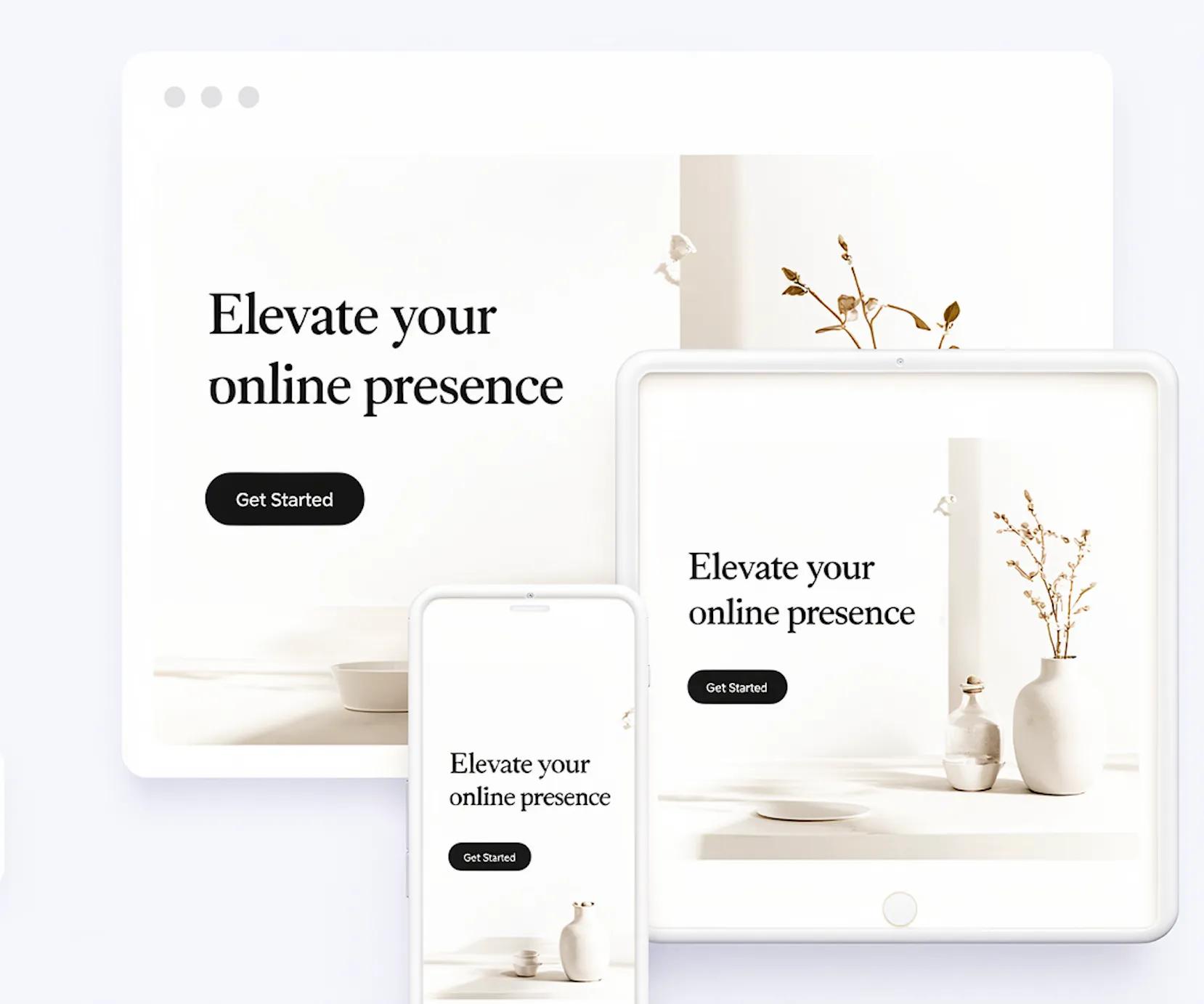
- Instant Mobile Responsiveness: Your site dynamically adjusts to fit smartphones, tablets, and desktop screens perfectly without extra styling tweaks.
Ready to Build? Launch Your Website Plan Today
Stop wrestling with complex web setup processes or paying thousands to traditional development agencies.
Take your completed content blueprint, bring your business vision to life, and start capturing real customer leads immediately. Try BoltWeb's AI website generator to craft an extraordinary, fully search-optimized presence in under five minutes.
Frequently Asked Questions
What is the single biggest planning mistake that ruins website conversions?
Trying to speak to everyone at once. When you refuse to pick a specific ideal customer, your headline becomes vague, your offer loses punch, and visitors leave without taking action. Designing for a single, well-defined audience ensures every word on the page resonates deeply with the exact person ready to buy.
How do I write a homepage headline that hooks visitors immediately?
Use the Value + Persona + Pain Reduction formula. Instead of writing "We Provide Web Design Services," write "We Build Automated Websites for Local Businesses So You Can Collect Leads Without Tech Headaches." Stating the exact outcome in the first five seconds instantly hooks the right visitor.
Why should I limit my site to a single main Call to Action (CTA)?
Applying Hick's Law, offering too many choices creates decision paralysis. When a page has buttons for "Book a Call," "Download PDF," "View Portfolio," and "Read Blog," visitors often click none. Pick one primary action per page and make that button stand out with a high-contrast accent color.
How does the "Slippery Slope" principle keep visitors reading down my site?
The Slippery Slope principle means every element on your page has one job: get the visitor to read the very next sentence. By using short sentences, bold key phrases, clear subheadings, and zero unnecessary visual clutter, you make reading feel completely effortless.
What is "Voice of Customer" (VoC) and how do I use it in my site plan?
Voice of Customer means using the exact words, phrases, and complaints your target market uses in real life. Instead of guessing corporate jargon, look at client emails, forum discussions, or past reviews. When prospective buyers see their exact language mirrored on your site, their trust in your solution doubles.
How do I organize my service packages so buyers pick the right option?
Group your service packages using Gestalt Principles of visual hierarchy:
- Present no more than 3 distinct tiers side-by-side.
- Visually highlight your most popular option with a distinct border or badge ("Most Popular").
- Clearly state what problem each tier solves so the buyer can self-select without needing a lengthy sales call.
Do I really need a blog when planning a simple business website?
Not for day one. A blog is valuable for long-term content marketing, but your initial launch priority is a high-converting core page structure. Launch your homepage, service pages, and contact funnel first to generate immediate leads—you can add a blog layout later once your foundation is established.
How do I ensure my planned website looks great on mobile phones?
Plan your content vertically from the start. Over 60% of web traffic happens on mobile devices. Ensure your text blocks are concise, your images scale cleanly, and your Call to Action buttons are large enough to tap comfortably with a thumb without zoom-scrolling.
How much text copy should I prepare before building my pages?
Aim for conciseness over length. Prepare 300 to 500 words per core page, broken down into scannable chunks: short 2-3 sentence paragraphs, bulleted feature lists, and bold headers. Bullet points and structured tables allow visitors to absorb your offer details in seconds.
How does BoltWeb turn my completed website plan into a live presence?
Once you have defined your audience, services, and core goal, BoltWeb eliminates the tedious assembly phase:
- Automated Architecture: Converts your raw plan into a structured, mobile-responsive layout instantly.
- Inbuilt SEO Optimization: Embeds search-friendly meta tags, clean heading structures, and fast-loading code out of the box.
- Zero Agency Overhead: Delivers a complete, lead-ready platform in under five minutes without paying thousands in design fees.