
A loose door handle, an unhung gallery wall, or a hole punched through drywall usually sits on a homeowner’s mental to-do list for months. Until suddenly, a weekend hits—or guests are visiting—and getting those nagging tasks fixed becomes an urgent priority. They grab their phone, search online, and look for a local professional who can cross three items off their list in a single visit.
If your online presence is invisible, outdated, or hard to navigate on a phone screen, that ready-to-pay homeowner moves on within seconds.
Website Builder for a Handyman Business: Turn “Can You Fix This?” Into Your Next Job
When a client looks for home help, they aren’t looking for complex contracts or multi-week roadmaps. They have a straightforward question: Can you fix this specific problem on my property without causing a headache?
Your digital storefront must give them a clear, immediate yes.
Using a specialized website builder for a handyman business ensures your practical skills, task lists, and direct message tools line up visually the second a visitor lands on your page. By organizing your daily repair offerings into clear visual groups, you remove hesitation and turn casual searches into booked service visits.
Help Customers Recognize Their Repair on Your Website
Homeowners rarely think in broad trade classifications. Instead, they scan for the physical items broken inside their living room: "mailbox post replacement," "loose cabinet hinge," or "drywall patch near me."
Group your handyman services website around tangible home tasks people recognize instantly:
- Wall & Carpentry Repairs: Drywall patching, baseboard installation, interior door alignment, and deck board swaps.
- Mounting & Assembly: Hanging TV brackets, setting up flat-pack furniture, hanging heavy mirrors, and securing shelving units.
- Fixture Upgrades: Replacing kitchen faucets, swapping light fixtures, changing door locks, and weatherstripping drafty entryways.
If you want to structure your site layout efficiently before adding content, review our operational guide on how to plan a website.
Show the Small Jobs That Make Customers Want to Call You
What feels like a routine twenty-minute fix to a skilled craftsman often feels intimidating or time-consuming to a busy homeowner.
Turn everyday repairs into powerful visual proof across your handyman website design:
- Authentic Job Photos: Show a cracked drywall corner cleanly taped, mudded, and repainted to match the original wall.
- Completed Punch Lists: List real multi-task jobs finished in one visit (e.g., "Mounted two 55-inch TVs, fixed a sticking bedroom door, and replaced two bath faucets in one afternoon").
- Real Customer Feedback: Feature verified handyman reviews highlighting your punctuality, shoe covers, and clean workspace habits.
You can learn more about managing client feedback on local platforms through the Google Business Profile Help Center.
Make Your Service List Clear Without Making It Look Like You Do Everything
Receiving calls for complete room additions or major main line plumbing when you specialize in small property maintenance wastes administrative time and leads to uncomfortable turn-downs.
Establish clear service boundaries on your home repair website:
Setting explicit expectations upfront screens out inappropriate inquiries and keeps your schedule focused on high-margin, quick-turnaround jobs.
Answer the Price Question Without Promising the Same Rate for Every Job
Price ambiguity creates hesitation. While guaranteeing an exact price for a custom repair before seeing the job site is impossible, staying totally silent about numbers creates mistrust.
Provide helpful context around handyman pricing through a structured breakdown:
- Service Call Minimum: State your baseline diagnostic or minimum labor charge clearly so visitors understand the starting cost for minor tasks.
- Task-Based Estimates: Explain how factors like ceiling height, wall material (drywall vs. plaster vs. tile), and replacement parts influence final costs.
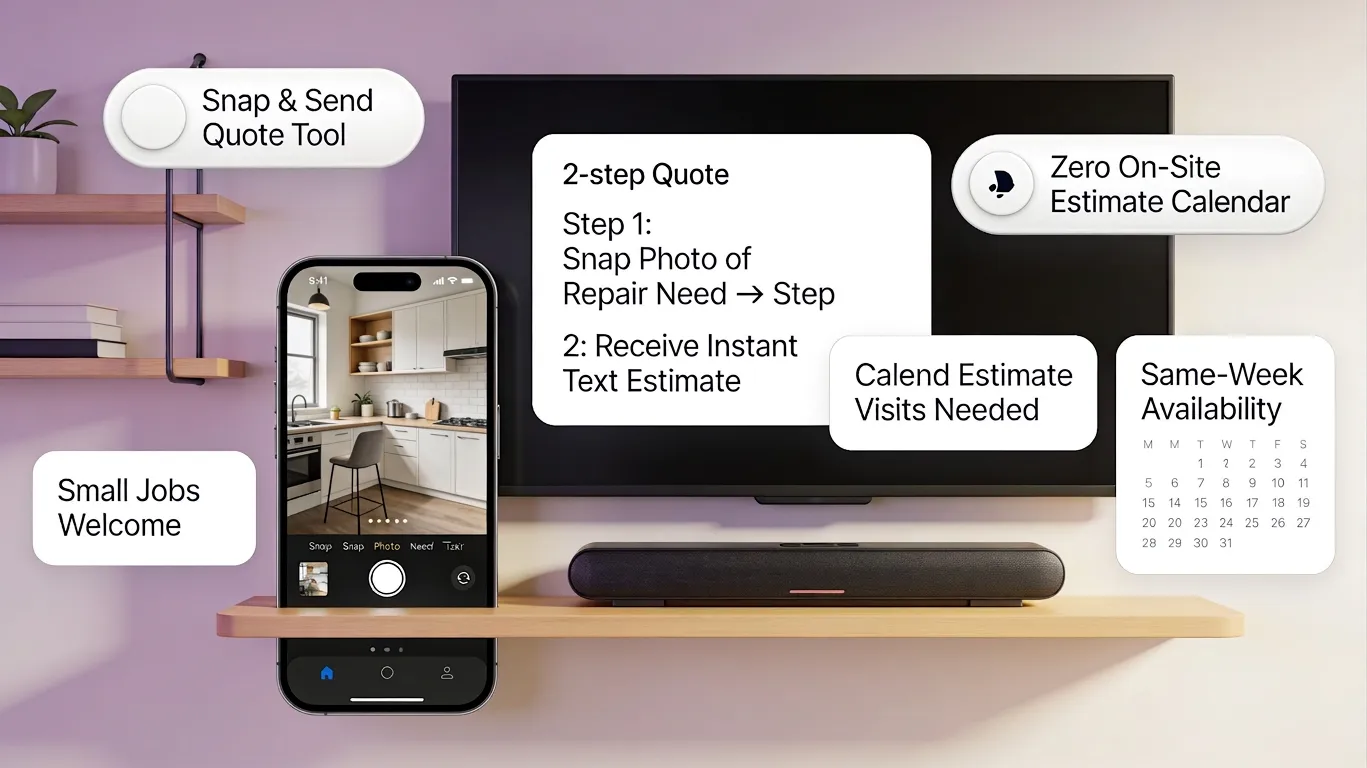
- Photo Quote Option: Invite clients to snap two quick pictures of their repair project with their phone and send them over for a fast, accurate estimate.
For guidelines on residential safety and maintenance standards, consult the U.S. Consumer Product Safety Commission (CPSC).
Prove You're the Person Customers Can Trust With Their Home
Opening a front door to a technician requires confidence. Property owners worry about property damage, hidden fees, and unprofessional behavior.
Build immediate peace of mind directly into your handyman business website:
- Insurance Credentials: Display clear statements regarding your active general liability insurance policy.
- Friendly Owner Identification: Feature a clear photo of yourself alongside your branded service vehicle so clients know exactly who will arrive at their door.
- Workplace Respect Guarantee: Promise that you protect floors with drop cloths, wear shoe covers indoors, and vacuum up debris before leaving.
Show What Happens When Someone Hires You, From First Call to Finished Repair
When people don't know how a contractor handles scheduling, they delay reaching out.
Eliminate open questions by laying out your exact 4-step workflow:
Make It Easy to Contact You With the Job They Need Done
"I don't want to fill out a long form just to ask if someone can fix something."
Forcing a client who wants a single ceiling fan installed to complete a complex 12-field questionnaire leads to abandoned site visits.
Keep your handyman contact form conversion paths minimal and direct:
- Basic Required Fields: Ask only for their name, neighborhood, contact number, and a brief description of the repair.
- Mobile Image Uploads: Allow visitors to attach photos of their repair problem directly from their phone camera.
- Click-to-Text Button: Offer a prominent button for clients who prefer texting over filling out online forms.

Show Customers Which Neighborhoods You Actually Serve
Answering calls for projects 30 miles outside your territory burns valuable gas and wastes unpaid travel time.
Improve your local handyman website authority while filtering out non-local requests:
- Specific Suburb Directories: List key towns, postal codes, and subdivisions within your primary service radius.
- Embedded Radius Map: Display a clean map showing your active service boundaries.
- Targeted Neighborhood Proof: Mention specific local communities where you recently completed work (e.g., "Deck repair project completed in Oak Creek neighborhood").
To understand how search engines process regional signals for local service contractors, read our analysis on how to write SEO-friendly website content.
Official technical guidelines on local search visibility are available at Google Search Central.
Make Your Website Work Around Your Jobs, Not the Other Way Around
You generate revenue when you are on site solving home problems—not when wrestling with complex design tools at a desk late at night.
Using an easy handyman website builder gives you complete operational control:
- On-the-Go Edits: Change your working hours, adjust baseline minimums, or add seasonal service notices right from your phone.
- Direct Mobile Portfolio Additions: Take a quick photo of a completed TV mounting project, upload it immediately, and publish it to your live page before driving to your next appointment.
- Zero Technical Maintenance: Manage your site effortlessly without paying external web development fees.
If you are evaluating different no-code editing platforms for your service business, compare options in our guide to choosing a website drag and drop builder.
Choose a Handyman Website Builder That Helps You Win the Right Jobs
You don't need expensive corporate platforms or heavy web software. You need a fast, responsive tool designed specifically to capture local repair leads.
Essential checklist for evaluating the best website builder for handyman business needs:
- Instant Trades-Focused Setup: Generates service categories, task lists, and estimate forms tailored to home repairs.
- Mobile Floating Call/Text Bar: Keeps your contact info visible as visitors scroll down long service pages on smartphones.
- Built-in Local SEO Schema: Automatically tags your address and service zones so search engines index your regional presence.
- Lightning-Fast Page Load Times: Ensures your pages open immediately, even on weak mobile connections out in the field.
- Simple Visual Controls: Allows you to upload job site photos, modify rates, or edit service lists without touching code.
Learn more about modern web accessibility guidelines and cross-device performance benchmarks from the W3C Web Standards Guidelines.
Build Your Handyman Website Without Giving Up Time You Could Spend on a Job
Spending hours trying to align images or fix broken layouts steals time away from billable field work and family life.
This operational reality is precisely why trade professionals build their sites using BoltWeb.
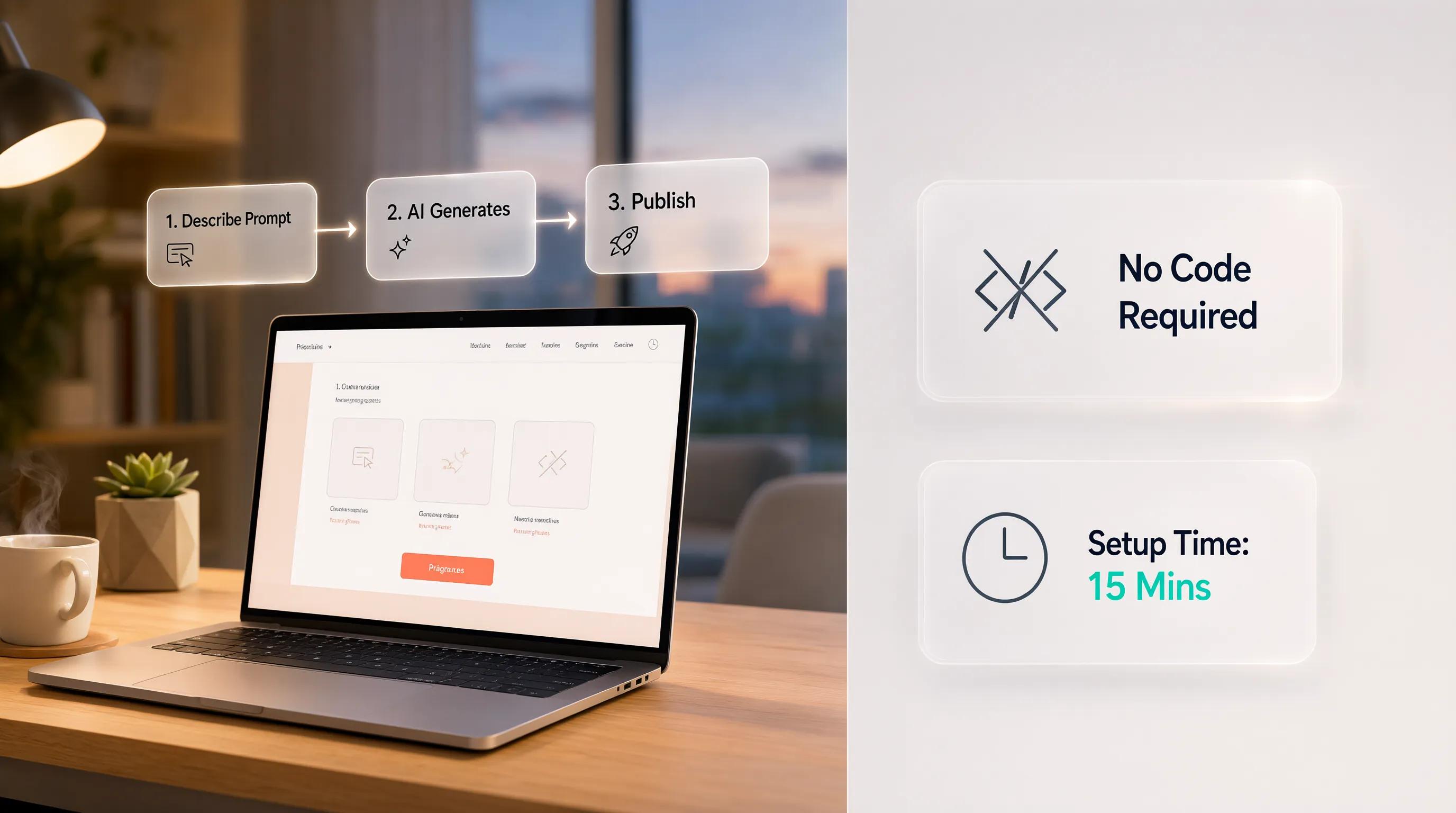
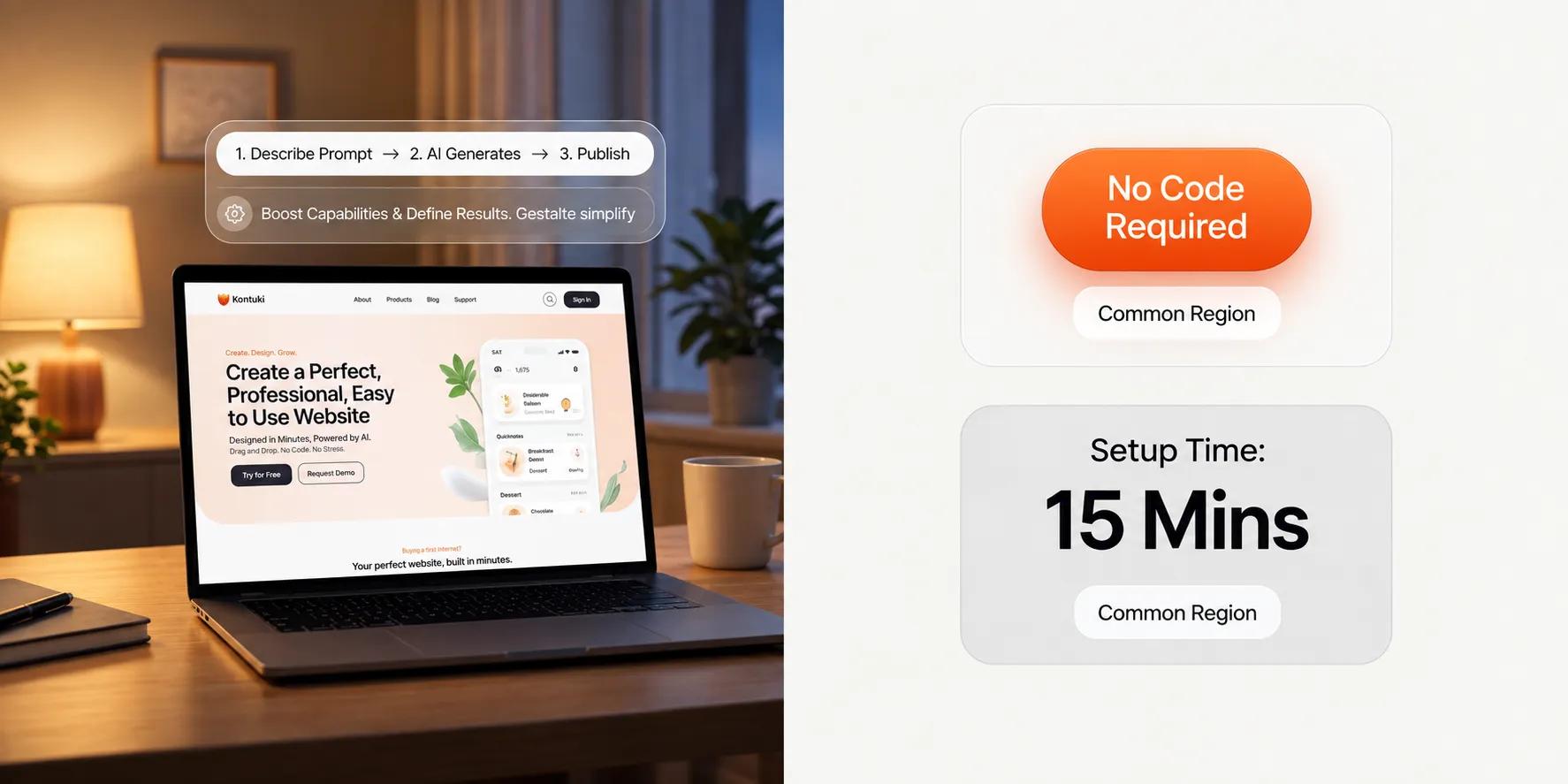
Designed specifically to take technical friction out of launch, BoltWeb turns site creation into a quick, guided setup.
By utilizing the AI website creator, you provide basic details like your company name, core repair focus (such as drywall patching, carpentry, or general maintenance), and local service zip codes. The system processes these inputs and constructs a tailored site complete with localized copy, task grids, trust badges, and mobile-friendly quote forms.
From there, visual editing controls let you adjust any element on the page. Add photos of your branded truck, display your insurance details, paste in top Google reviews, and modify service coverage lists whenever your business expands.
When you publish, your site runs on cloud-backed hosting with built-in SSL protection, responsive mobile rendering, and optimized local search structure—giving your business an active storefront that converts local searches into paid jobs.
Frequently Asked Questions: Website Builder for a Handyman Business
1. Why is a specialized handyman website builder better for getting local jobs than a basic social media page or generic template?
When homeowners have a loose door handle, damaged drywall, or a TV that needs mounting, they want a fast, reliable local professional—not a cluttered social feed or a confusing corporate website. A generic platform hides your contact details behind useless menus. In contrast, a dedicated website builder for a handyman business organizes your service list into clear task categories, displays local trust signals, and puts click-to-call buttons right on mobile screens. This turns casual searches into booked service calls before visitors leave to find another contractor.
2. Can an AI platform write realistic home repair descriptions without sounding robotic?
Yes. Homeowners quickly lose interest when they read dense technical descriptions or generic corporate text. Using an AI website creator, the system translates everyday repair tasks into clear, benefit-driven copy using authentic Voice-of-Customer phrasing. Whether describing drywall patching, fixture replacements, or furniture assembly, the text focuses on immediate homeowner relief—like crossing items off a lingering to-do list—without using awkward industry jargon.
3. How does this site builder help my repair business show up when nearby neighbors search for help?
Winning local jobs requires strong regional search visibility. The best website builder for handyman business owners automatically injects structured LocalBusiness schema markup and keeps your Name, Address, and Phone number (NAP) consistent across every page. By building dedicated neighborhood landing pages and linking your local profiles, your handyman service website signals precise geographic relevance to search engines—helping you rank higher when nearby clients search for a handyman near me or a local handyman website.
4. Is it easy to post fresh project photos and update rates without hiring a web developer?
Field operations move fast, and waiting days for a developer to upload a photo of a completed deck repair costs you time and money. With an intuitive visual drag-and-drop editor, you or your office manager can update pricing minimums, post new before-and-after project photos, or edit service areas directly from a smartphone. Having full operational control over your handyman business website ensures your digital storefront always reflects your active field capabilities.
5. What is the most effective way to display client reviews and job site transformations?
Homeowners hire handymen they feel safe letting inside their homes. Polished stock photos destroy credibility, but real proof builds instant trust. Using a built-in handyman services website portfolio, you can feature high-contrast, side-by-side photos of completed punch lists—like a patched wall or a newly installed ceiling fan—alongside verified handyman reviews. Showing real craftsmanship done in local homes reassures cautious property owners far better than paragraphs of self-praise.
6. Will our website open instantly on mobile phones when clients need a quick fix?
Over 75% of local repair inquiries happen on mobile devices while homeowners are looking at a problem in their house. If your site takes more than three seconds to load, visitors will tap the back button immediately. Sites built on an easy handyman website builder run on optimized cloud infrastructure, delivering fast mobile load speeds, floating "Click-to-Text" buttons, and simple quote forms. This ensures every smartphone visitor can request an estimate effortlessly without technical lag.
7. How do we convert site visitors into booked jobs without scaring them off with long forms?
Forcing a client who just wants a light fixture swapped to fill out a 15-field questionnaire leads straight to abandoned leads. To maximize conversion, your handyman business website design uses progressive, low-effort intake paths. Allowing homeowners to select their repair type, attach two quick smartphone photos of the job, and leave a callback number reduces mental effort and dramatically increases incoming handyman quote request submissions.
8. Can we outline what jobs we handle without customers assuming we do heavy structural work?
Yes. Taking calls for full room additions or main electrical panel overhauls when you specialize in home maintenance wastes precious administrative time. A clear home repair website layout establishes clean service boundaries by grouping tasks into clear categories—such as Drywall & Carpentry, Fixtures & Mounting, and Minor Plumbing Swaps—while stating what requires a licensed specialist. Setting expectations upfront screens out unqualified leads and keeps your schedule focused on high-margin jobs.
9. How should we address pricing on our site if every repair job is slightly different?
Price uncertainty creates hesitation, but staying completely silent about costs makes visitors suspect hidden fees. While giving a fixed rate for a custom repair before seeing the job is tough, your home maintenance website can feature a transparent handyman pricing guide. Outlining your service call minimums, labor factors, and photo-based handyman estimate options gives clients clear expectations and builds immediate trust before you ever arrive on site.
10. How quickly can an independent handyman launch a complete site using BoltWeb?
You can build, customize, and launch a production-ready website in under an hour. By leveraging BoltWeb, you simply enter your business name, primary repair specialties (such as drywall repair, door alignment, or fixture mounting), and local service zip codes. The AI website creator instantly generates your entire site structure—complete with persuasive copy, local search setup, project galleries, and handyman contact form modules—getting your business live on fast, secure cloud hosting ready to capture local calls.