Landing Page vs Website: What's the Difference? (And Which Do You Need?)
Making the wrong structural choice for your business online can cost you thousands of dollars in wasted ad spend and lost customer leads.
When small business owners and marketers set out to build an online presence, they face a pivotal question: Do I need a single conversion-focused landing page, or a full-scale business website?
Sending high-intent paid traffic to a sprawling website forces visitors through endless menu options, destroying conversion rates. Conversely, relying solely on a single landing page when potential clients want to research your brand authority can make your company look incomplete or untrustworthy.
Understanding the difference between a landing page vs website—and knowing when to deploy each—is the secret to capturing leads, boosting campaign ROI, and scaling your business revenue predictably.
Quick Comparison: Landing Page vs Website
| Structural Feature | Campaign Landing Page | Complete Business Website |
|---|---|---|
| Main Purpose | One hyper-focused conversion goal | Broader brand authority, discovery, and navigation |
| Typical Structure | Single, standalone web page | Multiple interconnected pages (Home, About, Services, etc.) |
| Navigation Header | Minimal or completely removed | Comprehensive top navigation menu |
| Best Used For | Paid ad campaigns, lead magnets, product launches | Establishing primary business presence, SEO, store fronts |
| Visitor Journey | Linear, single-destination funnel | Exploratory, self-guided multi-path journey |
| Content Scope | Hyper-focused on a single offer or solution | Covers full business overview, team, story, and services |
| SEO Opportunity | Targets one specific high-intent keyword | Targets broad, multi-topic search queries across pages |
| Calls-to-Action (CTA) | One primary CTA repeated strategically | Multiple CTAs tailored to different user intents |
| Example | "Book a Free 15-Minute Consultation" | Full site featuring Home, Portfolio, Blog, and Contact |
Landing Page vs Website: What's the Difference?
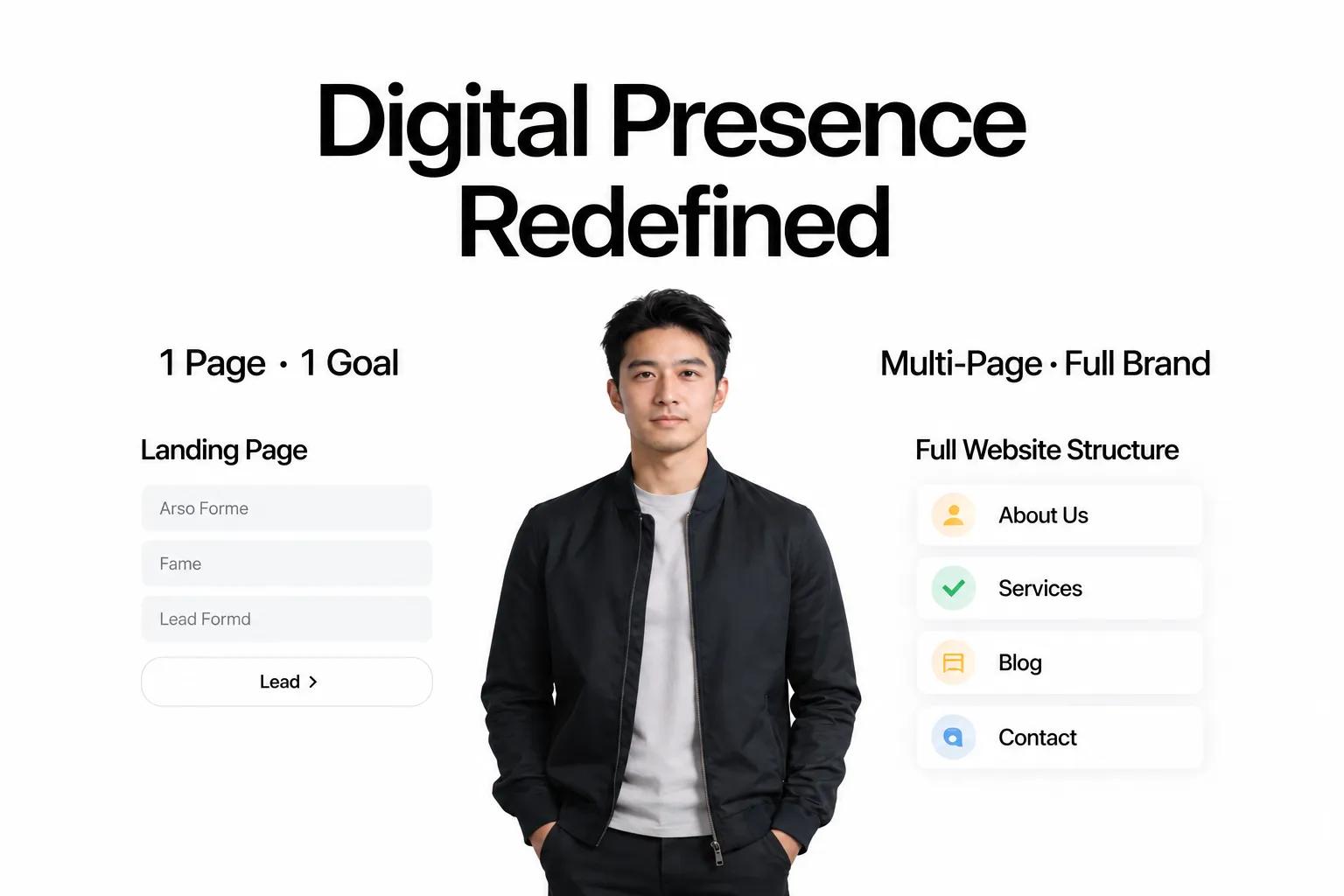
The core distinction between a landing page and a website comes down to focus versus breadth: a landing page is a closed conversion funnel engineered for one specific action, while a website is an open digital showroom built for exploration.
┌────────────────────────────────────────────────────────────────────────┐
│                        COMPLETE BUSINESS WEBSITE                       │
│    (Broad Audience Intent • Global Header Navigation • Multi-Path)      │
└───────────────────────────────────┬────────────────────────────────────┘
                                    │
           ┌────────────────────────┼────────────────────────┐
           ▼                        ▼                        ▼
    [Services Menu]          [About Us Story]         [Blog & Resources]
           │                        │                        │
           └────────────────────────┼────────────────────────┘
                                    ▼
┌────────────────────────────────────────────────────────────────────────┐
│                         STANDALONE LANDING PAGE                        │
│   (Specific Campaign Intent • Zero Exit Navigation • Single CTA Goal)  │
└────────────────────────────────────────────────────────────────────────┘
Treating these two assets as interchangeable damages both search engine optimization (SEO) and conversion rates. A website that tries to act like a rigid landing page alienates broad organic browsers, whereas a landing page loaded with top navigation menus gives paid clickers an easy escape hatch before converting.
What Is a Landing Page?
A landing page is a standalone, single web page designed specifically to receive targeted traffic from a focused marketing campaign—such as a Google Search ad, Meta campaign, promotional email blast, or custom QR code.
Unlike general web pages, a high-converting landing page operates with a singular focus: guiding the visitor toward completing one explicit action.
Key characteristics of a purpose-built landing page include:
- Zero Distracting Navigation: Top navigation headers and footer links are stripped away to eliminate exit paths.
- Message Matching: The headline and offer copy directly echo the exact promise made in the ad or link the visitor clicked.
- Singular Call-to-Action (CTA): Every button, form, and text block directs the user toward one conversion point (e.g., claim a trial, download a lead magnet, or schedule a sales call).
Removing competing choices aligns perfectly with Hick’s Law—which proves that decision time increases with the number of options available. Less friction yields higher conversions.
What Is a Website?
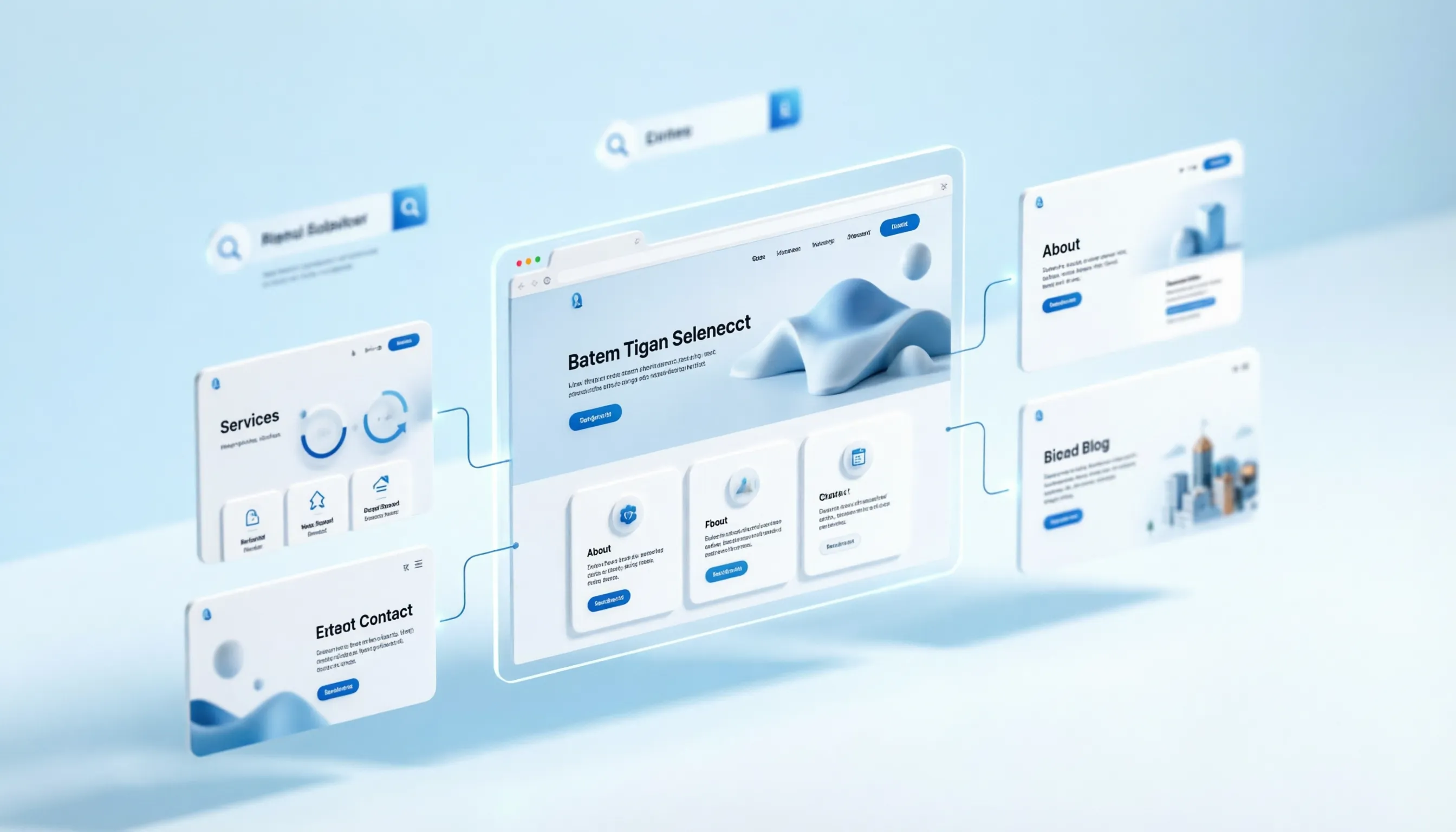
A business website is an interconnected hub of multiple web pages under a single domain name (e.g., yourbusiness.com). It serves as your permanent digital address, housing your brand story, complete service catalog, support channels, and portfolio work.
A complete website structure satisfies multiple business needs at once:
- Establishes Brand Credibility: Gives first-time visitors a central location to verify your business credentials, team credentials, and company history.
- Organizes Complex Information: Uses structured navigation menus, breadcrumbs, and footers so users can self-select information.
- Drives Long-Term Organic SEO: Houses dozens or hundreds of indexable pages, blog posts, and service guides that capture search engine traffic across multiple commercial keywords.
Your website welcomes all types of visitors—from direct brand searchers to casual job seekers—providing the complete context needed to build long-term authority.
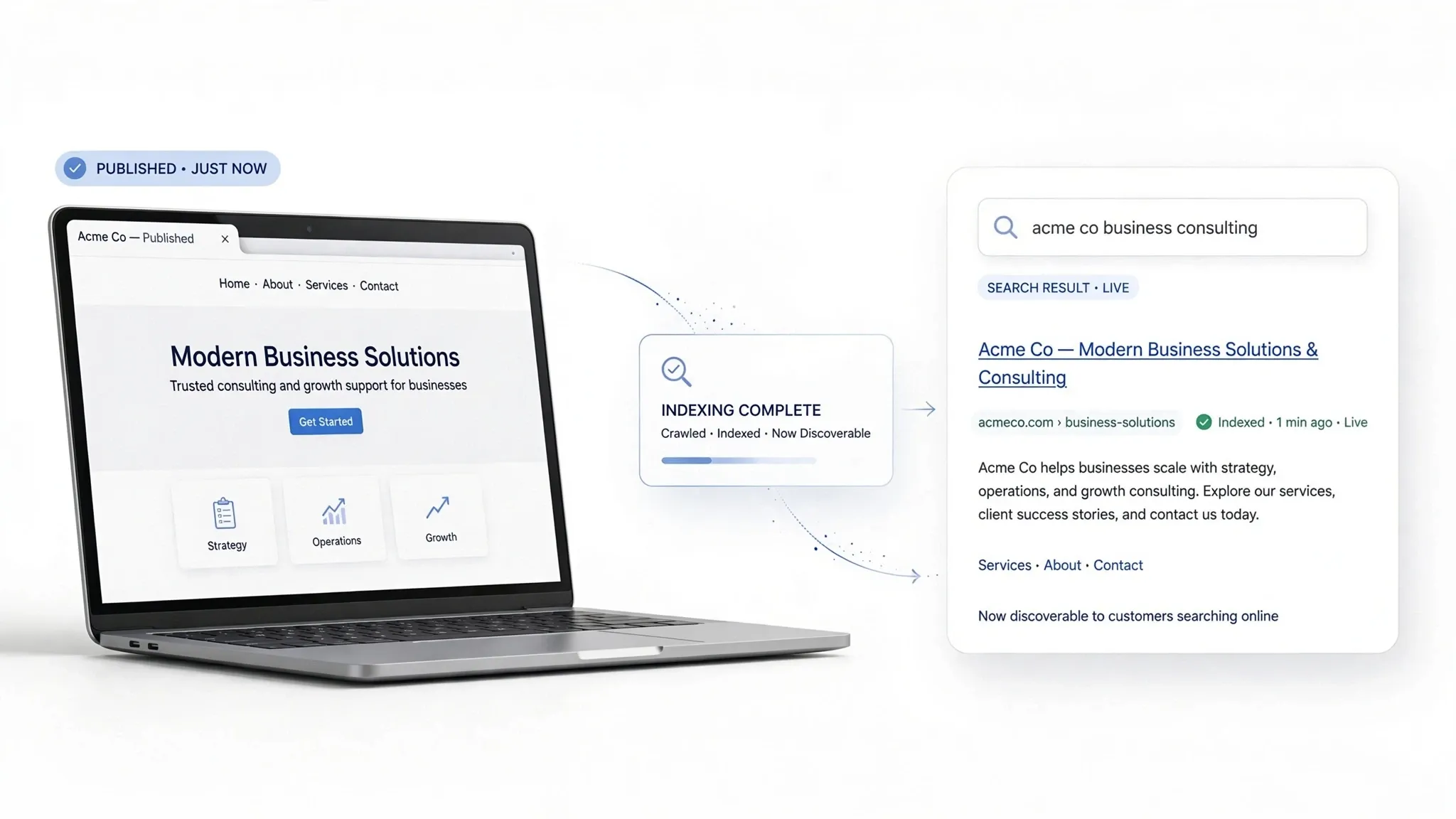
Landing Page vs Website: The Main Differences
Understanding what changes when you choose one over the other helps you structure your marketing campaigns sharply:
[WEBSITE SITE ARCHITECTURE]
  ├── Home Page (Broad Mission Statement)
  ├── Services Overview
  │     ├── Service A Page
  │     └── Service B Page
  ├── About Us & Founder Story
  └── Contact & Location Info

[LANDING PAGE ARCHITECTURE]
  ├── Hero Section (Hyper-Targeted Offer Headline)
  ├── Problem & Pain-Point Breakdown (PAS Framework)
  ├── Specific Social Proof (Targeted Client Reviews)
  └── High-Contrast Lead Capture Form / Primary CTA
While a website offers multiple paths to accommodate different user mindsets, a landing page keeps user attention locked strictly on the conversion goal.
When Should You Use a Landing Page?
Deploying a dedicated landing page is mandatory whenever you are investing money into paid customer acquisition or promoting a specific, time-sensitive offer.
A standalone landing page is the ideal choice for:
- Pay-Per-Click (PPC) Advertising: Google Search Ads targeting high-buying-intent phrases (e.g., "emergency plumber in Chicago").
- Paid Social Media Campaigns: Facebook or Instagram ads driving registrations for a free webinar or software demo.
- Targeted Lead Generation: Offering a downloadable industry guide or checklist in exchange for a prospect's email address.
- Product Launches & Event Tickets: Selling a single product, pre-order tier, or conference ticket without site distractions.
Using a dedicated landing page protects your ad spend by turning incoming traffic into qualified leads at maximum conversion rates.
When Should You Build a Website?
Building a comprehensive, multi-page website is essential when your business needs to establish a permanent online footprint and support multiple service offerings.
A full website is necessary for:
- Primary Business Operations: Local service providers, agencies, SaaS companies, e-commerce stores, and brick-and-mortar brands.
- Multi-Service Cataloging: Businesses offering distinct service tiers that require dedicated explanation pages for search ranking.
- Content Marketing & SEO: Publishing blog articles, case studies, and knowledge bases to earn free organic search traffic over time.
- Recruiting & Brand Storytelling: Showcasing team culture, open career roles, investor details, and company values.
Your website acts as the permanent foundation of your company's digital identity.
Can a Landing Page Replace a Website?
For solo freelancers, early-stage startups, or simple local services, a single-page website or high-impact landing page can serve as your initial web presence.
A landing page can temporarily replace a website if:
- You sell only one primary offer or consulting package.
- You acquire clients purely through direct outreach, paid ads, or direct referral links rather than organic Google search.
- You need to launch an offer in hours to validate market demand before investing in a full site build.
However, as your business grows, relying entirely on one page creates noticeable limits:
To scale long-term organic traffic and build market trust, transitioning from a single landing page to a complete business website becomes vital.
Can You Have a Landing Page and a Website Together?
The most profitable businesses do not pick between a landing page and a website—they combine both into a powerful marketing engine.
Here is how high-performing companies coordinate both assets:
- The Website Drives Organic Brand Discovery: Ranks on Google search, educates organic visitors, and validates company credibility.
- Campaign Landing Pages Capture Paid Traffic: Receive targeted clicks from ad campaigns, converting cold visitors into buyers without losing them in site navigation.
- Internal Synergies Bridge the Gap: Your main website service pages link out to dedicated conversion landing pages, while your campaign landing pages include subtle links back to your privacy policy and main brand home.
Using this combined approach ensures that organic searchers get the detailed information they want while paid ad clicks land on pages built exclusively to convert.
Landing Page vs Website for Different Business Goals
Selecting the right web structure depends entirely on your immediate business objective:
| Business Model / Goal | Recommended Choice | Primary Reason |
|---|---|---|
| PPC Ad Campaign | Standalone Landing Page | Eliminates menu distractions and maximizes immediate ROI on ad spend. |
| Local Service Provider | Complete Business Website | Ranks for local search keywords, showcases customer reviews, and details all services. |
| E-Commerce Store | Complete Business Website | Requires product category navigation, cart functionality, and brand trust. |
| Single Product Launch | Targeted Product Landing Page | Creates concentrated excitement, high-converting social proof, and a single checkout CTA. |
| B2B Lead Generation | Combined Website + Landing Pages | Website builds institutional authority; dedicated landing pages capture ad leads. |
Aligning page structure with buyer intent allows you to execute campaigns sharper and achieve predictable results.
What Should a Landing Page and Website Each Include?
To build high-converting web assets, ensure each structure contains its core essential elements:
Essential Landing Page Elements
- Above-the-Fold Hero Section: Clear value headline, sub-headline, product visual, and prominent lead capture form.
- Social Proof & Media Badges: Client testimonials, star ratings, press logos, and security trust seals.
- Problem-Solution Copy (PAS Framework): Highlights customer pain points before presenting your service as the ultimate solution.
- Repeat CTA Buttons: Single primary action button positioned strategically down the entire page length.
Essential Website Elements
- Global Header & Navigation Bar: Intuitive menu structure, logo linking home, and contact shortcuts.
- Modular Page Pages: Dedicated pages for Home, Services, About Us, Case Studies, Blog, and Contact.
- Comprehensive Footer: Legal links, privacy policies, terms of service, social links, and physical address details.
- Multi-Intent CTAs: Options to read articles, request custom quotes, or subscribe to newsletters.
How Much Work Is Each One to Build and Maintain?
Managing digital assets involves evaluating ongoing time commitments, technical requirements, and content updates:
- Landing Pages: Quick to design, write, and deploy. Maintenance is minimal, focusing primarily on A/B testing headlines, adjusting conversion forms, and matching incoming ad copy.
- Full Websites: Require more initial design planning, site mapping, content drafting, and technical setup. Ongoing maintenance involves updating blog content, managing plugin/software security updates, and performing continuous SEO optimization.
Wrestling with manual web hosting, rigid code templates, and slow server performance creates friction that slows down campaign execution.

Build a Landing Page or Complete Website Without Starting From Scratch
When you launch or scale a business, struggling with manual site setup, slow server performance, or outdated web builders delays your growth momentum.
In today's fast-moving market, you need the power to launch responsive websites and campaign landing pages instantly—without coding friction or server limits.
That is where BoltWeb redefines web creation entirely.
Powered by an advanced AI website builder, BoltWeb operates as your complete digital team. Whether you need a broad, multi-page business website to rank on search engines or a hyper-focused landing page for your next paid campaign, BoltWeb generates production-ready layouts complete with conversion-focused copy, mobile responsiveness, and high-speed cloud hosting ready out of the box.
Why high-growth businesses choose BoltWeb:
- Own Your Infrastructure: Escape slow, rigid server hosting. BoltWeb provides high-performance hosting that scales effortlessly as your audience grows.
- Built-in Google SEO Engine: Generates search-optimized site structures with clean code that search engines love to index and rank.
- Instant AI Editing & A/B Testing: Modify layout elements, refine sales headlines, and publish landing page variations in seconds using BoltWeb Foundry AI tools.
- Zero Technical Bottlenecks: Build, test, and publish responsive websites quickly so your business stays steps ahead of the competition.
Using an all-in-one platform like BoltWeb empowers you to launch your brand website, deploy high-converting landing pages for ad campaigns, and scale your revenue with complete confidence. Explore the best website builder for small business needs to scale effectively.
Landing Page vs Website: 12 Frequently Asked Questions
Understanding the difference between a landing page and a website is crucial for turning web traffic into actual revenue. Whether you are running paid marketing campaigns, building brand authority, or launching a new business, aligning your digital structure with buyer intent determines your conversion success.
Here are 12 essential FAQs using Voice of Customer (VoC) insights, behavioral psychology principles, and conversion frameworks.
Aren't a landing page and a website basically the same thing?
A website is an open digital storefront built for broad exploration, housed across multiple interconnected pages (Home, About, Services, Blog). A landing page is a closed, single-destination conversion funnel designed for one explicit task—like capturing a lead, selling a single product, or securing a call booking. Mixing them up causes friction: sending ad traffic to a multi-path website leads to decision paralysis, while using a single landing page for broad brand research makes your business look incomplete.
Why shouldn't I just send my paid Google or Meta ad traffic to my website homepage?
Sending paid traffic to a homepage triggers Hick’s Law—which proves that decision time increases with every additional choice presented. Homepages are packed with navigation headers, external links, and competing options, causing paid visitors to get distracted and bounce without buying. A dedicated campaign landing page strips away navigation, matches the exact promise of your ad headline, and guides the prospect toward a single call-to-action (CTA), maximizing your ad return on investment (ROI).
Why do landing pages completely hide the top navigation menu bar?
Top navigation bars serve as "exit hatches" when someone lands from a targeted marketing campaign. When a prospect clicks an ad for "24-Hour Roof Repair," you want them focused entirely on requesting emergency service—not clicking away to read your blog or company history. Stripping away navigation menus keeps visitor attention locked squarely on your core offer and primary conversion button.
How do SEO strategies differ for landing pages versus an entire business website?
Websites target broad, high-volume organic search queries across multiple pages (e.g., "Architectural Firm in Chicago" or "B2B Accounting Software"). They build long-term domain authority and rank for dozens of related keywords.
Landing Pages target hyper-specific, high-buying-intent long-tail keywords or paid campaign search terms (e.g., "Residential Floor Plan Design for Remodelers"). They prioritize immediate user conversions over broad keyword indexing.
How much content should I put on a landing page vs my main homepage?
Homepage Content: Broad and modular. It introduces your overall business mission, highlights core service tiers, features general customer trust badges, and offers links to deeper child pages.
Landing Page Content: Hyper-focused using conversion frameworks like PAS (Problem-Agitate-Solution). It speaks directly to one specific audience, zeroes in on one pressing pain point, demonstrates targeted social proof, and urges one explicit action.
Can a landing page link back to my main business website?
Yes, but keep those links subtle. High-converting landing pages often place a small, unlinked logo at the top or include footer links (such as Privacy Policy, Terms, or "Back to Main Site") that open in a separate tab. This maintains user trust and legal compliance without pulling the prospect away from the primary lead form or checkout button.
How do conversion rates actually compare between a landing page and a website?
Because landing pages match exact campaign messaging and remove choice friction, their conversion rates are significantly higher—averaging 5% to 15%+, with optimized pages exceeding 20%. Homepage conversion rates typically hover around 1% to 3% because homepage traffic consists of a mixed audience: casual researchers, returning clients, job seekers, and direct brand searchers with varied intentions.
Should I create a separate landing page for every single marketing campaign I run?
Yes. Aligning your ad copy directly with your landing page headline (Message Matching) creates psychological consistency for the buyer and raises your Quality Score on ad platforms like Google Ads. Lowering cost-per-click while increasing conversion intent ensures every ad dollar spends at maximum efficiency.
What core elements must every landing page have to turn visitors into buyers?
A high-converting landing page follows a clear visual hierarchy:
- Above-the-Fold Hero Section: Punchy value proposition headline, product visual, and high-contrast CTA button.
- Social Proof Elements: Specific client testimonials, star ratings, or media trust badges.
- Problem-Solution Breakdown: Clear explanation of the customer's struggle and how your offer solves it.
- Repeat CTAs: Prominent action buttons placed strategically down the page length.
Which option is easier to manage and update over time?
Landing pages are fast to build, deploy, and test because they exist as single, independent assets. Full websites require ongoing content management, multi-page SEO updates, and navigation maintenance. However, modern platforms allow you to manage both from a single, unified workflow.
What is the fastest way to build both my homepage and campaign landing pages without technical friction?
Wrestling with manual web hosting, slow server performance, and rigid templates burns time you should be spending growing your business. Using a specialized platform like BoltWeb solves both requirements completely. Powered by an advanced AI website builder, BoltWeb allows you to generate multi-page business websites and high-converting campaign landing pages in minutes—complete with responsive designs, conversion-focused copy, search engine optimization, and automated lead capture tools ready right out of the box.