When building or scaling a business online, mixing up a homepage and a landing page can cost you thousands of dollars in lost conversions and wasted ad spend.
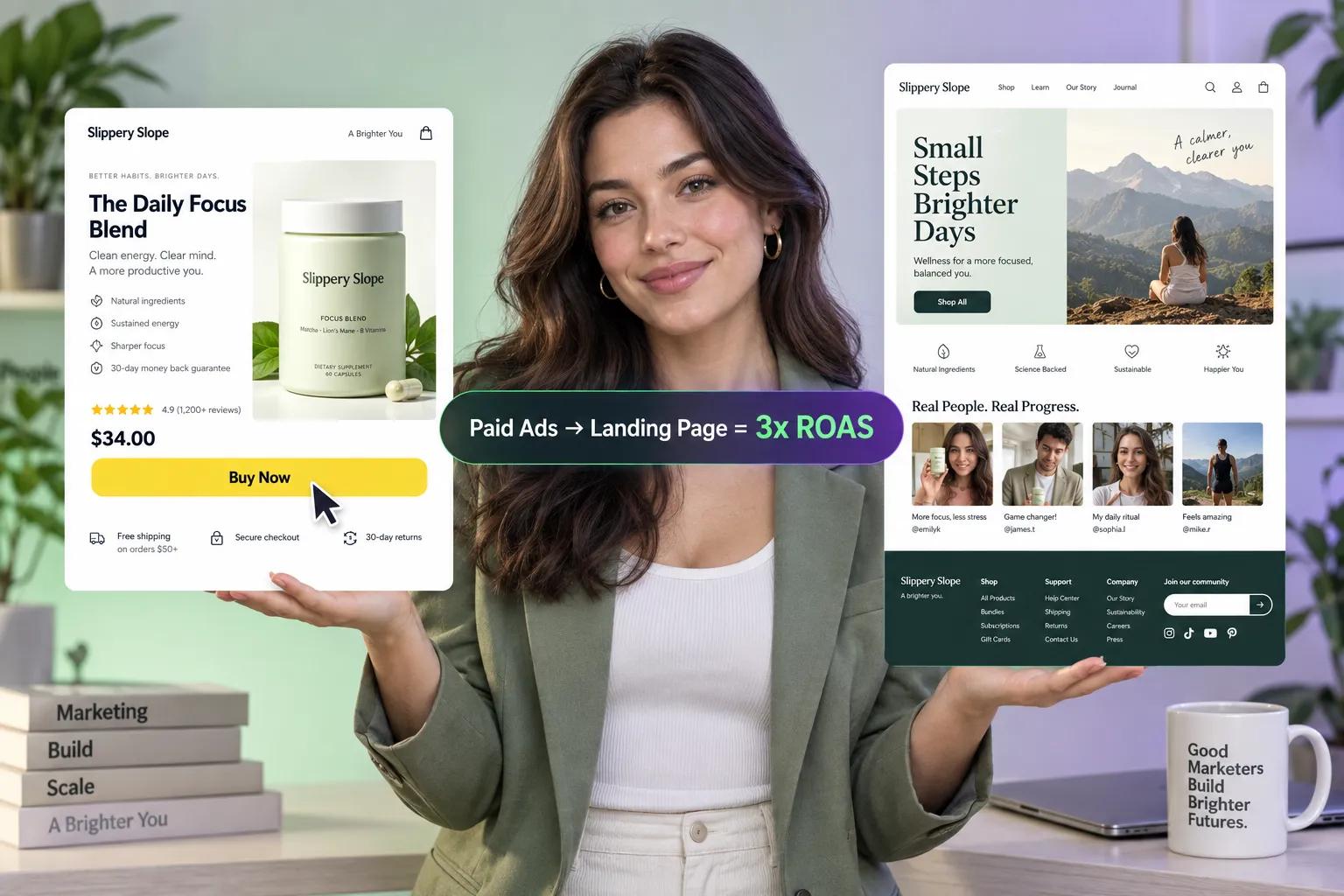
Many founders and marketers assume these two assets are interchangeable. They send paid campaign traffic directly to their main homepage, only to wonder why their conversion rates hover at a disappointing 1%.
Aligning the right digital entry point with your customer's intent is essential to running a high-performing business. Sending a high-intent ad click to a broad homepage confuses the buyer while sending an exploratory organic searcher to a strict landing page feels pushy and incomplete.
Here is the ultimate breakdown of Landing Page vs Homepage, how their architectures differ, and how to deploy both strategically to maximize sales and leads.

Landing Page vs Homepage: What's the Difference?
The fundamental distinction between a homepage and a landing page comes down to intent and focus: a homepage is an open digital showroom built for exploration, whereas a landing page is a closed conversion funnel built for a single, specific action.
Treating them as the same page weakens both. A homepage that tries to force a single product sale alienates casual browsers, while a landing page loaded with top navigation menus invites visitors to click away without converting.
What Is a Homepage?
A homepage serves as the primary digital front door of your business. It introduces your overall brand identity, establishes immediate credibility, and provides structured pathways so visitors can explore whatever aspect of your business interests them most.
A homepage acts as your central navigation hub, designed to:
- Introduce Brand Value: Communicate your primary mission, market positioning, and core value proposition in seconds.
- Organize Navigation: Offer clear links to service breakdowns, about pages, contact channels, and portfolio work.
- Establish Trust: Feature client logos, company accolades, founder backgrounds, and broad social proof.
Because a homepage welcomes traffic from every possible source (direct URLs, business cards, organic search, social profiles), its structure is deliberately open and flexible.

What Is a Landing Page?
A landing page is a standalone webpage designed specifically to receive targeted traffic from a focused campaign—such as a Google Search ad, a paid Meta campaign, an email blast, or a promotional link.
Unlike a homepage, a landing page has one single job: to guide the visitor toward completing a specific call-to-action (CTA).
Key characteristics of a high-converting landing page:
- Zero External Navigation Links: Header and footer navigation menus are removed to eliminate exit paths.
- Hyper-Focused Message: Every headline, image, and copy block directly mirrors the exact ad or link the visitor clicked.
- Singular Call-to-Action: The entire page directs the user toward one goal—such as filling out an inquiry form, booking a call, or buying a specific product package.
Homepage vs Landing Page: The Main Difference Is the Goal
The primary difference between a homepage and a landing page isn't the visual style or design software used—it is the underlying business outcome:
| Structural Feature | Website Homepage | Campaign Landing Page |
|---|---|---|
| Primary Goal | Brand exploration, trust building, and audience routing. | Lead capture, direct sales, or event registrations. |
| Target Audience | Broad, mixed-intent visitors (organic search, direct URL, social). | High-intent, hyper-targeted traffic from specific campaigns. |
| Header Navigation | Full navigation menu (Services, About, Pricing, Blog, Contact). | Completely removed or limited strictly to a logo. |
| Number of CTAs | Multiple CTAs serving different user paths. | One single primary CTA repeated strategically down the page. |
| Bounce Rate Profile | Naturally higher as users explore multiple child pages. | Lower intra-site navigation; visitors either convert or leave. |
Understanding this structural difference allows you to match user expectations directly with your revenue goals.
A Homepage Usually Helps Visitors Explore Your Business
When buyers are in the early discovery phase, they rarely want to be forced into an immediate high-pressure sales pitch. They want to understand who you are, verify your track record, and explore your full service spectrum.
A homepage facilitates organic discovery by providing intuitive entry points to key sub-pages:
- Overview of All Core Services: Highlights major service categories so visitors can self-select their exact interest.
- About & Founder Story: Explains your team's background, core values, and industry authority.
- Resource Links: Directs users toward helpful articles, client case studies, and industry research.
Giving exploratory visitors the freedom to navigate builds organic trust before you ever ask for their business.
A Landing Page Usually Focuses on One Offer or Action
When running paid marketing campaigns (like pay-per-click advertising), every click costs money. Sending paid traffic to a homepage with ten different menu options gives visitors too many chances to get distracted and bounce without converting.
Applying Hick’s Law—which proves that the time it takes to make a decision increases with the number of options—a dedicated landing page removes friction entirely:
- Eliminates Exit Links: Stripping away top navigation menus keeps user attention locked on your offer.
- Matches Campaign Intent: If your ad promises "24-Hour Roof Leak Repair," the landing page header says "24-Hour Roof Leak Repair"—not a generic "Welcome to Our Construction Firm."
- Drives Immediate Action: A prominent, high-contrast CTA button directs the visitor to convert right then and there.
Eliminating choice paralysis drastically increases conversion rates on paid campaign traffic. Learn how to maximize your landing page conversion rate by maintaining strict focus.

Homepage vs Landing Page: How the Content Is Different
The way you draft content for a homepage differs completely from how you craft copy for a landing page:
While homepage copy speaks broadly about your company's mission, landing page copy zeroes in on one specific pain point, promises one clear transformation, and asks for one explicit action.
When Should You Send Someone to Your Homepage?
Directing visitors to your homepage is the right strategic move when their intent is broad, exploratory, or brand-focused.
Send traffic to your homepage for:
- Direct Organic Search Traffic: People searching directly for your business name (e.g., "Acme Web Solutions").
- Social Media Bio Links: Casual followers on Instagram, LinkedIn, or X exploring your brand profile.
- Networking & Print Materials: QR codes or web addresses printed on business cards, podcast appearances, or press releases.
- Outbound Sales Verification: Prospects from direct sales calls looking to verify your company's overall legitimacy.
When Should You Use a Landing Page Instead?
Using a dedicated landing page is mandatory whenever you are spending money on acquisition or running targeted promotional campaigns.
Deploy a dedicated landing page for:
- Pay-Per-Click (PPC) Advertising: Google Search Ads targeting specific commercial keywords (e.g., "best AI website builder").
- Paid Social Campaigns: Facebook, Instagram, or LinkedIn ads promoting a single lead magnet, webinar, or product discount.
- Targeted Email Marketing: Promotional newsletter campaigns offering a seasonal service package or event entry.
- Product Launches: Releasing a new standalone software feature, physical product, or specialized service tier.
Ensure these pages have a streamlined conversion form to capture campaign traffic effectively.
Can a Homepage Also Be a Landing Page?
For lean one-person businesses, freelancers, or early-stage startups, a homepage can be engineered to double as a single-product landing page.
This hybrid approach works well when:
- You sell only one core service or product (e.g., a solo consultant selling one coaching package).
- You do not need a complex sub-page architecture.
- Your main business goal is driving all visitors to one specific action (like booking a discovery call).
However, as your business grows to offer multiple services or run distinct ad campaigns, separating your broad homepage from focused campaign landing pages becomes essential to scale your conversion rates.
Use Both When Your Website Needs Exploration and Focused Campaigns
The most profitable web strategies do not choose between a homepage and landing pages—they use both assets in tandem.
Here is how high-performing digital marketing systems coordinate both:
- The Homepage Builds Organic Presence: Ranks for broad industry terms, houses your blog, builds overall domain authority, and handles direct brand traffic.
- Dedicated Landing Pages Capture Paid Intent: Receive hyper-specific traffic from paid ads and email blasts, converting incoming clicks at maximum efficiency.
- Internal Linking Bridges the Gap: Your homepage service cards link out to focused landing pages, while your landing pages use trust elements like verified website testimonials and website live chat widgets to close prospective clients.
Using this dual setup gives you the best of both worlds: broad brand discovery and maximum campaign ROI. This coordinated approach is a core component of a successful website sales funnel.
Create Your Homepage and Landing Pages Without Starting From Scratch
Understanding the difference between a homepage and a landing page is one thing; building, coding, and designing both from scratch is an entirely different hurdle.
Wrestling with manual web hosting, technical SEO, and rigid site templates burns valuable hours you should be spending on billable client work or product development.
That is where BoltWeb solves the web creation equation entirely.
Powered by an advanced AI website builder, BoltWeb operates as your complete digital team. Whether you need an expansive, multi-page business homepage or a hyper-focused, high-converting landing page, BoltWeb generates custom, fully responsive page structures tailored specifically to your offer—complete with conversion-focused copy, mobile optimization, and automated lead capture tools ready right out of the box.
Launching your web presence with BoltWeb is simple:
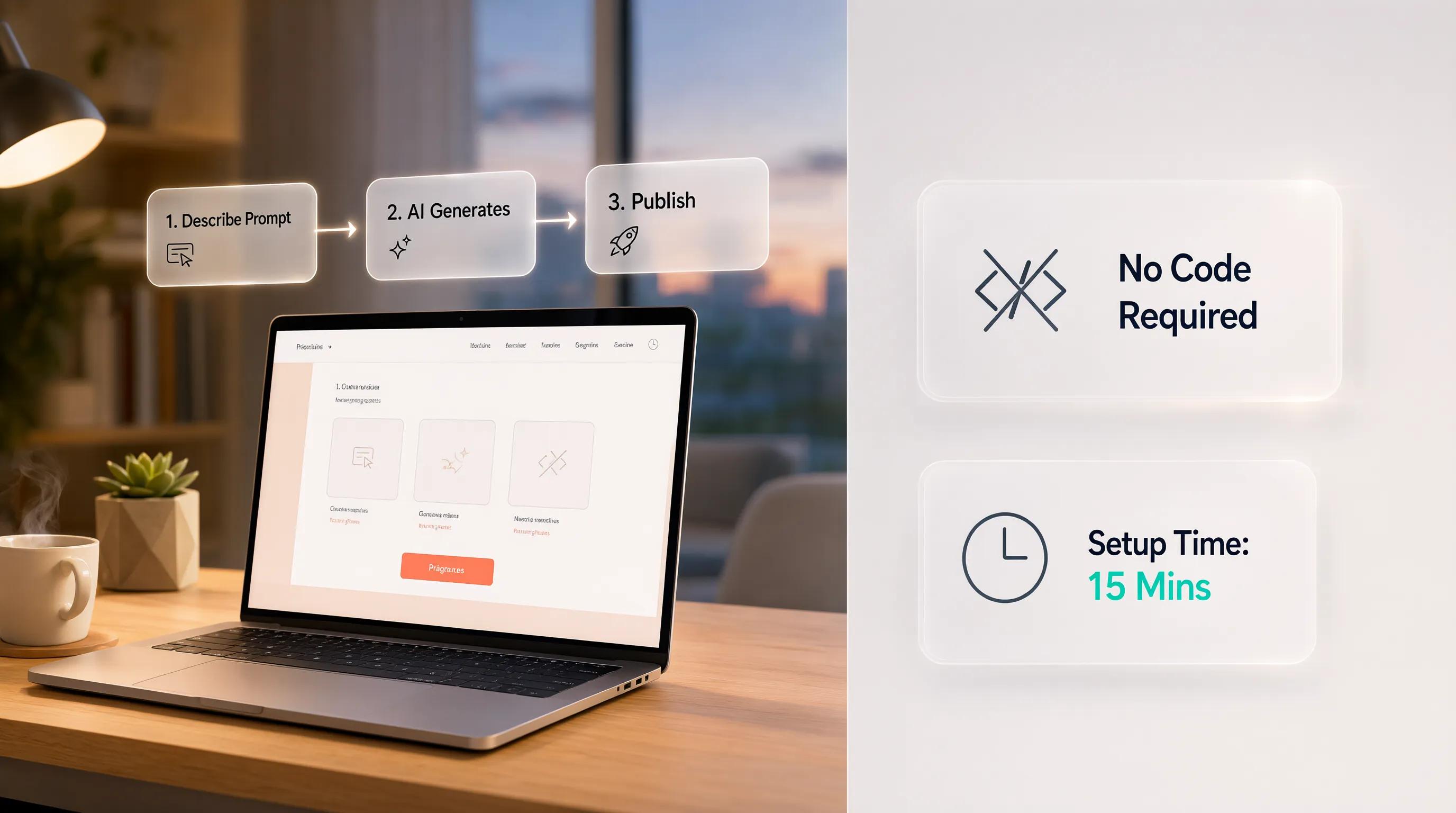
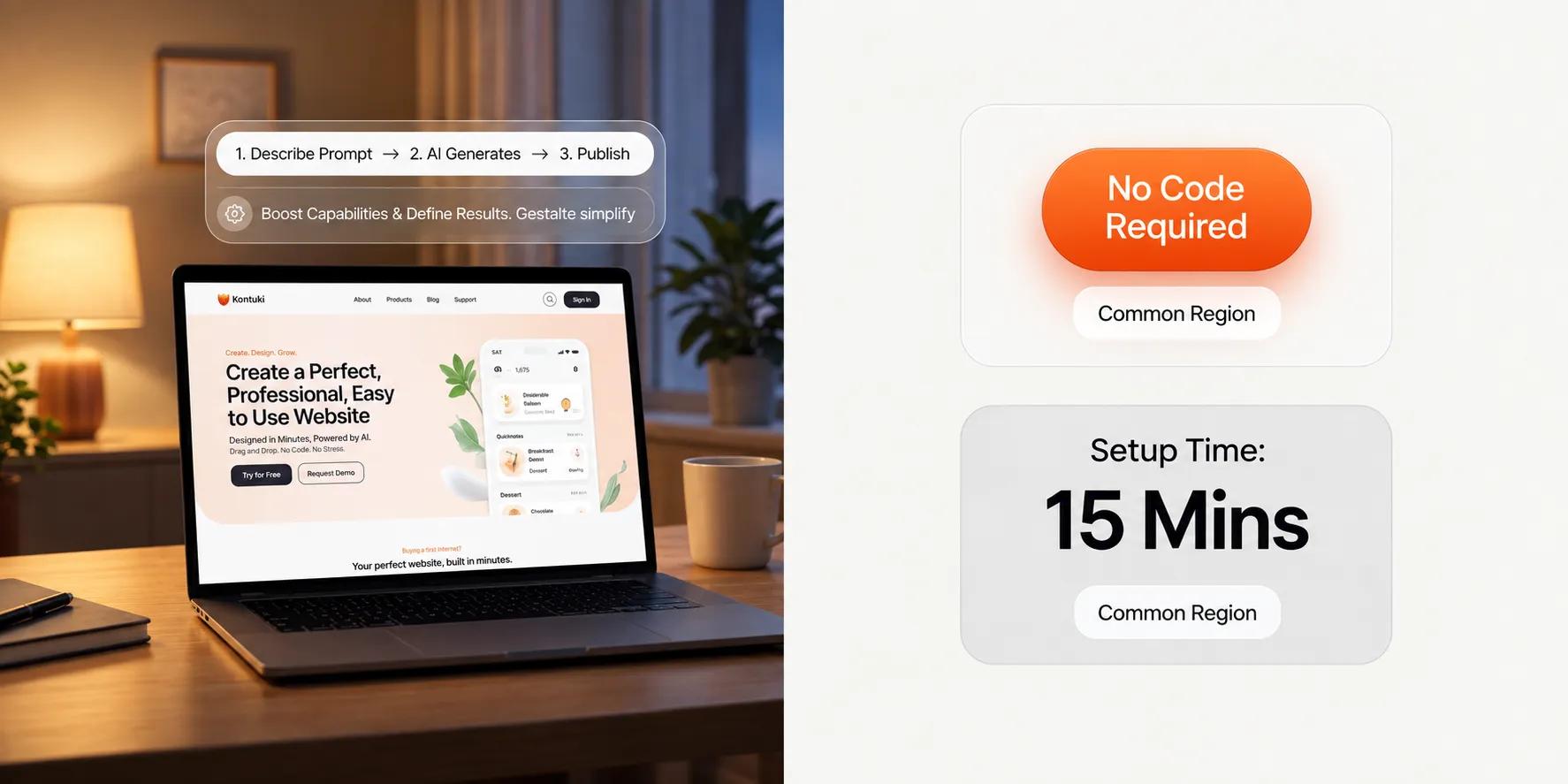
- Describe Your Offer: Enter a prompt detailing your business, target audience, and primary campaign goals.
- Generate Tailored Structures: Review custom layout options generated specifically for your homepage or landing page needs.
- Refine & Launch Live: Customize your headlines, insert your media proof, enable live chat or booking tools, and publish instantly.
Using a specialized small business website builder like BoltWeb allows you to bypass technical friction, deploy high-converting landing pages for your campaigns in minutes, and scale your business revenue effortlessly.
Landing Page vs Homepage: 10 Frequently Asked Questions
Understanding the strategic difference between a landing page and a homepage is critical for converting visitors, optimizing paid marketing ad spend, and scaling your business revenue.
Here are the most common questions business owners and marketers ask when comparing landing pages and homepages.
What is the main structural difference between a landing page and a homepage?
The primary difference is focus versus breadth. A homepage is the multi-purpose digital storefront of your business—it features top navigation menus, links to various pages (About Us, Services, Blog, Contact), and serves broad brand discovery. A landing page is a single, standalone web page built for a specific campaign with zero top navigation menus, designed strictly to direct visitors toward one focused call-to-action (CTA).
When should I send ad traffic to a landing page instead of my homepage?
You should always send paid ad traffic (from Google Search Ads, Meta Ads, or LinkedIn campaigns) to a dedicated landing page. Sending paid traffic to a homepage forces visitors through endless menu choices, creating decision paralysis (Hick’s Law) and causing high bounce rates. A dedicated landing page matches the exact promise of your ad headline and guides the prospect directly to convert. Implementing strict CTA best practices ensures maximum return on ad spend.
4. Why do landing pages remove the top navigation menu header?
Top navigation headers give visitors multiple "exit hatches" to click away from your main offer (e.g., browsing your blog or social links). Stripping away navigation links keeps the user's focus locked entirely on your core value proposition and primary conversion goal—such as filling out an inquiry form, booking a consultation, or purchasing a product.
How do SEO strategies differ for landing pages vs homepages?
Homepages target broad, high-volume brand or broad industry keywords (e.g., "Architectural Design Firm" or "SaaS Accounting Software"). They build long-term domain authority and rank across multiple organic search intents over time.
Landing Pages target hyper-specific, long-tail commercial keywords (e.g., "Residential Floor Planning Software for Remodelers"). They are optimized for immediate conversion rather than broad multi-page site architecture. Understanding how to choose the right keywords for each page type is crucial.
Can I link my landing page back to my main homepage?
Yes, but do so strategically. On campaign landing pages, it is standard practice to embed a subtle brand logo at the top or privacy/terms links in the footer that open in a new tab or link back to your main site. This maintains user trust and legal compliance while keeping the main conversion body of the page focused and distraction-free.
What conversion rate should I expect from a landing page vs a homepage?
Because landing pages are hyper-targeted to specific campaign audiences, they typically achieve significantly higher conversion rates (averaging 5% to 15%+, with top-performing pages reaching 20%+). In contrast, average homepage conversion rates tend to hover around 1% to 3% because homepage traffic consists of a mix of direct searchers, returning clients, job applicants, and casual researchers.
Should I create a separate landing page for every marketing campaign?
Yes. Creating dedicated landing pages tailored to specific audience segments, traffic sources, or ad variations dramatically improves campaign performance. Aligning your ad text directly with your landing page headline (Message Matching) lowers your cost-per-click (CPC) on ad networks like Google Ads by raising your Quality Score while increasing visitor conversion rates. Learn how to create a landing page that converts to maximize your campaign ROI.
What are the essential elements that every high-converting landing page needs?
A high-converting landing page requires:
- A punchy headline and subheadline that clearly state your value proposition.
- A strong, high-contrast primary CTA button above the fold.
- Problem-Agitation-Solution (PAS) copy addressing customer pain points.
- Social proof elements (customer reviews, trust badges, star ratings, or client logos).
- Mobile-responsive design and sub-second page load speed.
How do I easily build and test landing pages alongside my main website?
Instead of wrestling with manual code or rigid legacy builders, modern platforms like BoltWeb let you deploy both full-scale websites and dedicated landing pages seamlessly. Powered by an advanced AI website builder, BoltWeb enables you to generate conversion-focused page layouts, publish A/B testing variations in seconds, and scale your website infrastructure without technical bottlenecks or server delays. It is the ideal website builder for executing comprehensive digital marketing strategies.